
Published 16 Sep 2025
Firing 101: A Complete Guide to Bisque, Glaze and Alternative Firing Methods
The moment clay becomes ceramic happens in fire. At Dharamkot Studio, every kiln opening carries the same quiet thrill: soft earth has become something durable, permanent, and ready for use. This guide explains the main stages and methods of pottery firing for beginners and curious makers.
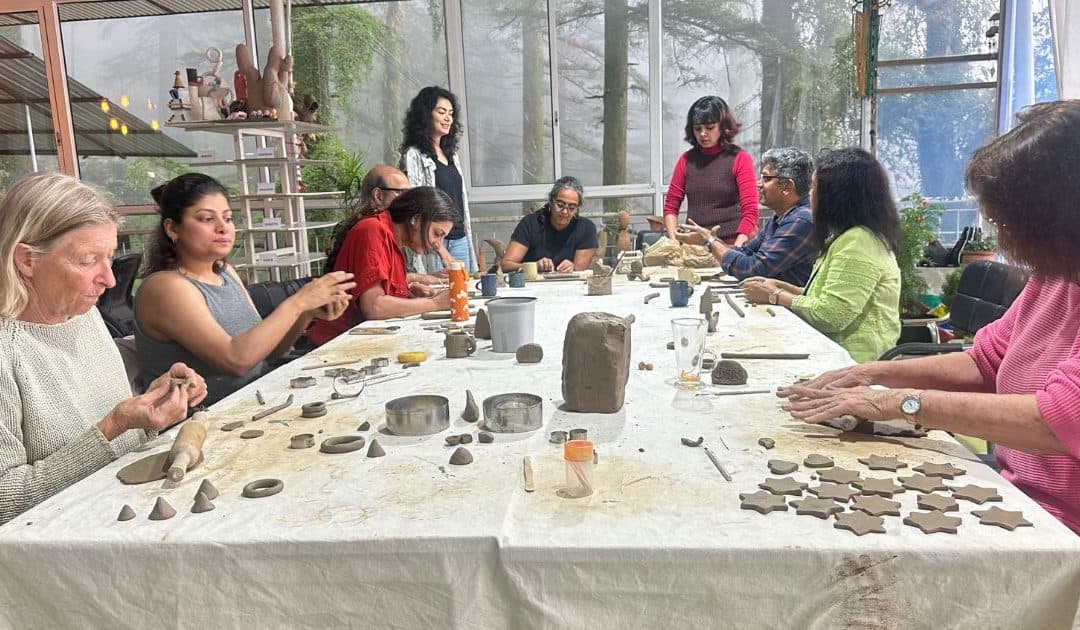
Understanding Fire In Ceramics
Fire is both creator and risk in pottery. It turns soft, workable clay into durable ceramic, but it can also reveal weaknesses: trapped moisture, uneven walls, glaze mistakes, or firing schedules that moved too quickly.
At its core, firing is controlled transformation. Heat drives out moisture, changes the clay’s molecular structure, and creates new bonds that give fired ceramic its strength. Learning to fire well means learning to work with heat patiently rather than forcing it.
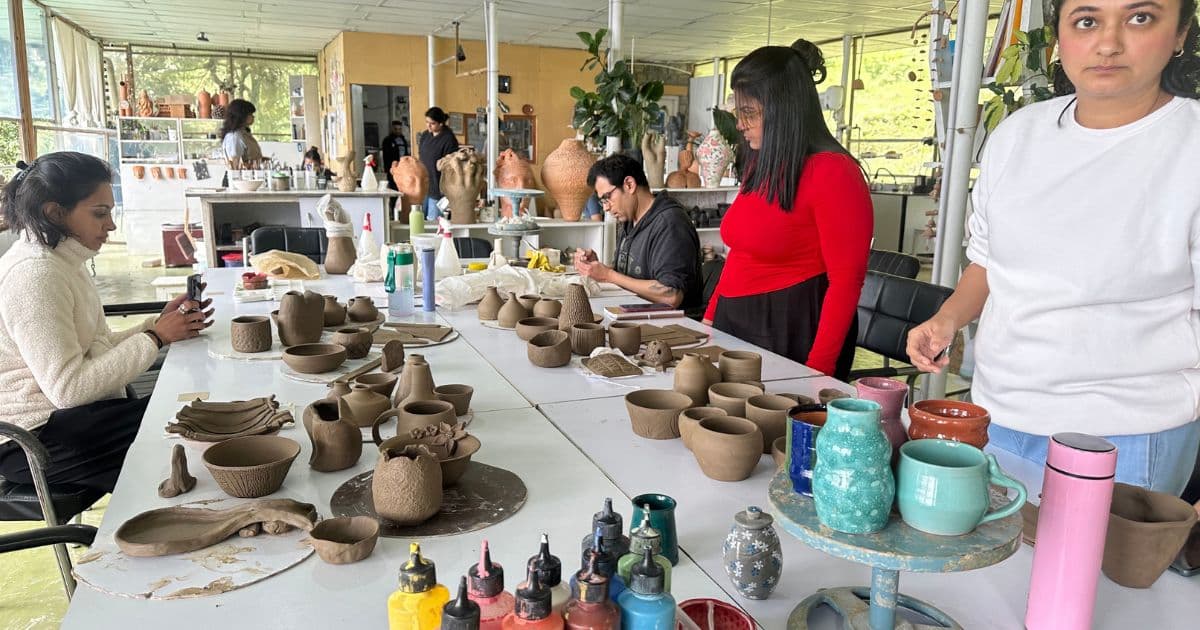
Firing is the point where pottery stops being raw clay and becomes ceramic.
What Happens To Clay In The Fire
During firing, clay passes through several important temperature changes. Early heat removes surface and mechanical water. Around the middle stages, chemically bound water leaves the clay body and the change becomes irreversible. As temperatures rise further, the clay begins to harden and mature into ceramic.
One important stage is quartz inversion, around 573°C, when silica in the clay expands. Potters heat and cool carefully through this range because sudden change can cause cracking. By roughly 900°C to 1000°C, clay has usually passed into ceramic change and can no longer return to raw clay.
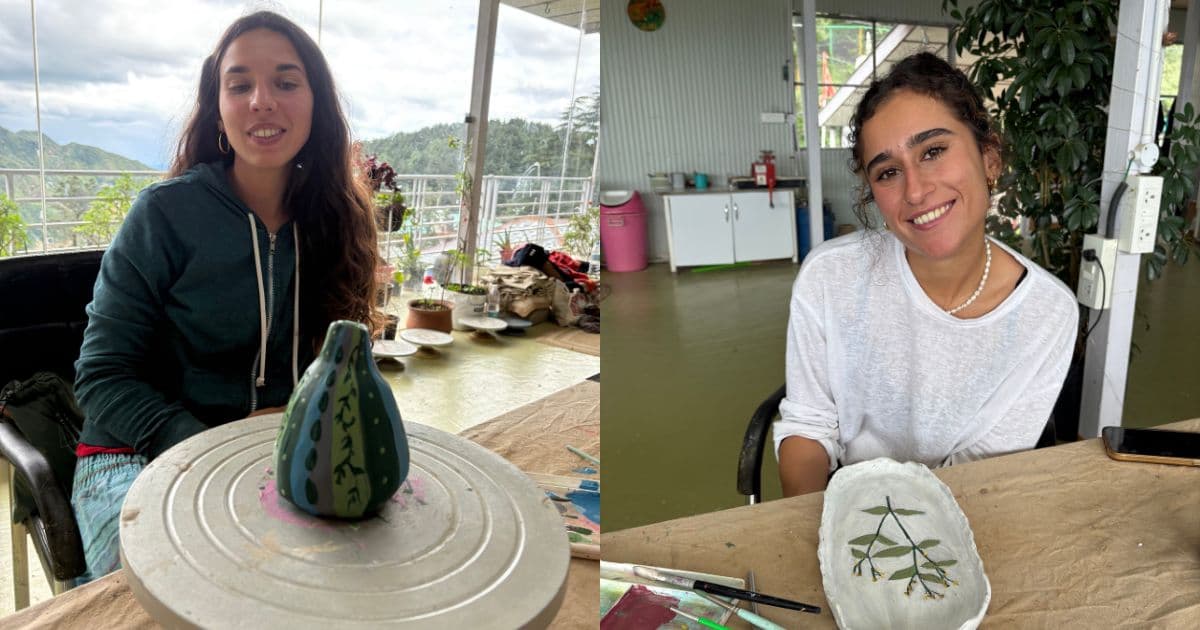
Good firing depends on temperature, timing, clay body, kiln atmosphere, and cooling.
Bisque Firing: The First Transformation
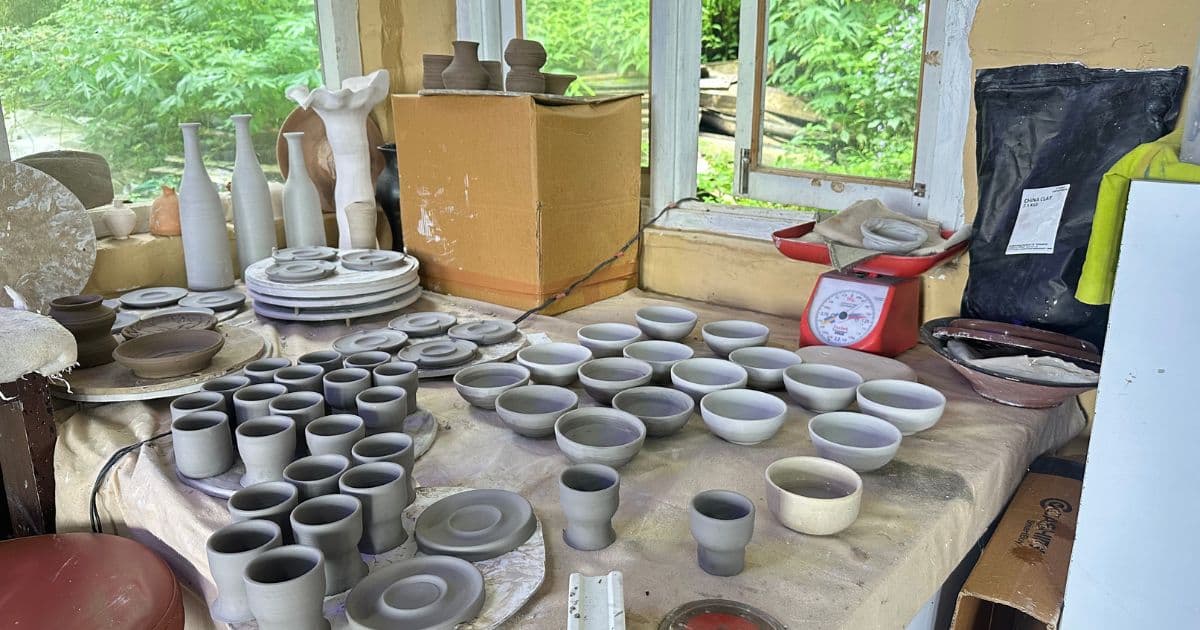
Bisque firing is pottery’s first journey through fire. It transforms fragile greenware into porous ceramic that can be handled, glazed, and fired again. A typical bisque firing often sits around 900°C to 1000°C and requires slow early heating so remaining moisture can leave safely.
In a bisque firing, pieces can usually touch because there is no glaze to melt and fuse them together. The goal is to make the work strong enough for glazing while leaving it porous enough to absorb glaze evenly.
Signs Of A Successful Bisque Firing
- The surface is matte and porous.
- The piece makes a clear sound when gently tapped.
- The clay colour has changed evenly.
- There are no cracks, bloating, or signs of trapped moisture.
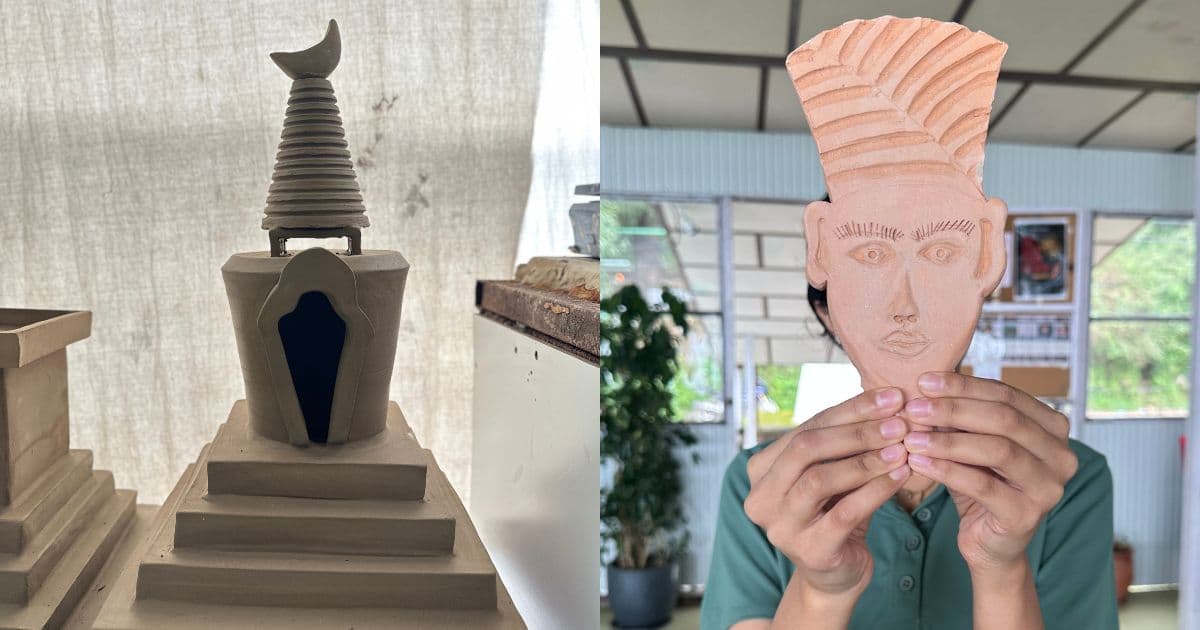
Bisque firing prepares ceramic work for glazing by making it stronger but still absorbent.
Glaze Firing: The Second Dance With Fire
Glaze firing is where liquid glass melts onto the ceramic surface. A glaze can make a piece waterproof, colourful, textured, functional, decorative, or all of these at once.
Unlike bisque firing, glazed pieces cannot touch each other or the kiln shelf where glaze is present. If they do, they can fuse permanently. Loading a glaze kiln requires clean foot rings, spacing between pieces, and careful attention to how glazes may run.
Common Glaze Firing Ranges
- Low fire, around 950°C to 1080°C, often gives bright colour but less durability.
- Mid fire, around 1180°C to 1220°C, balances durability and glaze variety and is common for functional pottery.
- High fire, around 1250°C to 1300°C, produces very durable stoneware and porcelain surfaces with a more limited colour range.
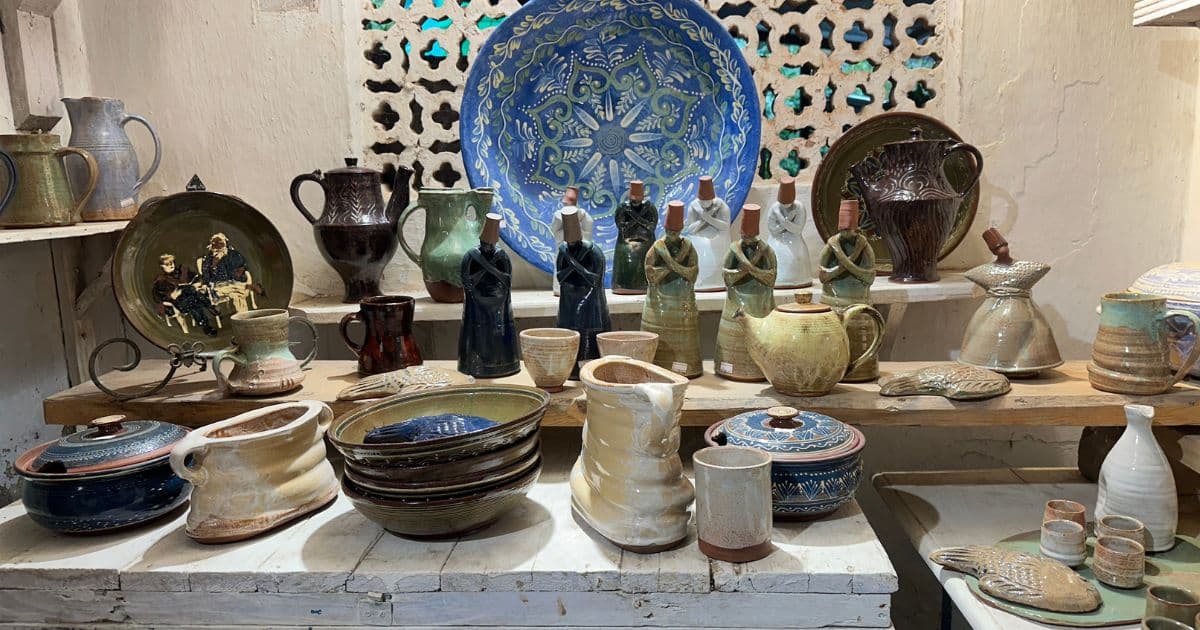
Glaze firing asks for careful loading because melted glaze behaves like glass.
Kiln Atmosphere: Oxidation And Reduction
Kiln atmosphere changes how clay and glaze behave. Oxidation firing, common in electric kilns, has plenty of oxygen and produces cleaner, more predictable results. It is often the easiest starting point for beginners.
Reduction firing, common in gas kilns, limits oxygen and encourages more complex glaze effects such as copper reds, celadons, and atmospheric colour shifts. It can be exciting, but it asks for more experience and closer control.
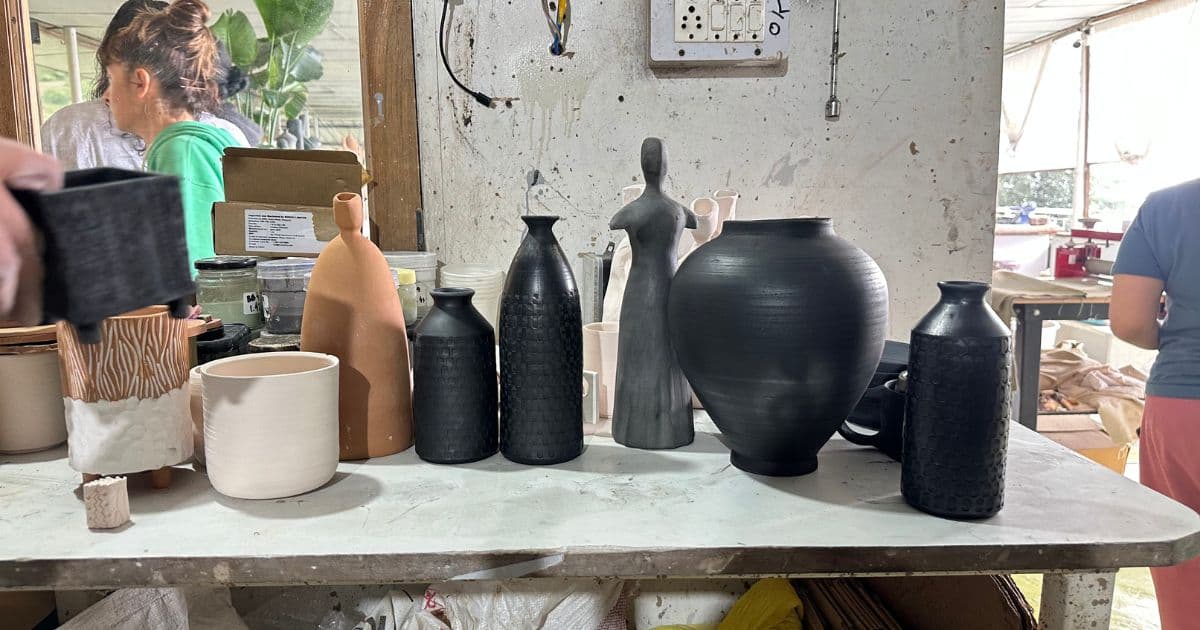
Electric, gas, and wood kilns each offer a different relationship with heat and atmosphere.
Alternative Firing Methods
Beyond standard electric or gas kiln firing, alternative firing methods give potters a more direct and unpredictable relationship with flame, smoke, ash, and atmosphere.
Pit firing is one of the oldest ceramic methods, using combustible materials to create smoky surfaces and organic markings. Raku firing involves removing red-hot pieces from the kiln and placing them in combustible material for dramatic reduction effects. Saggar firing uses containers and organic materials to create localized colour and smoke patterns. Wood firing can last for days and produces natural ash glazes, flame marks, and rich atmospheric surfaces.
Alternative firing methods trade predictability for atmosphere, surprise, and surface drama.
Safety First
Firing is powerful, and safety matters. Kilns require ventilation, clear space, heat protection, and patient handling. Alternative firings should never be left unattended, and combustible materials must be managed with care.
When working with glazes, avoid lead-containing materials for functional ware, use dust protection when handling dry materials, wash hands thoroughly, and keep materials away from food preparation areas.
Basic Firing Safety Checklist
- Use heat-resistant gloves and closed shoes near hot kilns.
- Keep fire extinguishers and water sources accessible.
- Let kilns cool properly before opening.
- Keep combustible materials away from kiln areas.
- Document firing schedules, temperatures, and results.
Reading Your Results
Every firing teaches something. Underfiring may leave glazes dry, pale, or weak. Overfiring can make glazes run, clay bloat, or details soften. Uneven firing may show up as colour differences or inconsistent glaze maturity across the kiln load.
The best way to improve is to keep records: clay body, glaze, application method, kiln position, firing schedule, cooling rhythm, and final result. Over time, these notes become a personal map of how fire behaves in your studio.
The Philosophy Of Fire
At Dharamkot Studio, we often tell students that firing is where pottery becomes partnership. You bring preparation, technique, and patience; fire brings transformation, surprise, and permanence.
A kiln opening is always a moment of suspense. Some results are exactly what you hoped for. Some are lessons. Some are unexpected gifts. That is part of why ceramics continues to hold people: even after years of practice, fire remains a teacher.