
Published 18 Dec 2024
From Clay to Art: Everything You Need to Know About Clay
Clay, an ancient and versatile material, has been one of the most important creative mediums for humans for centuries.
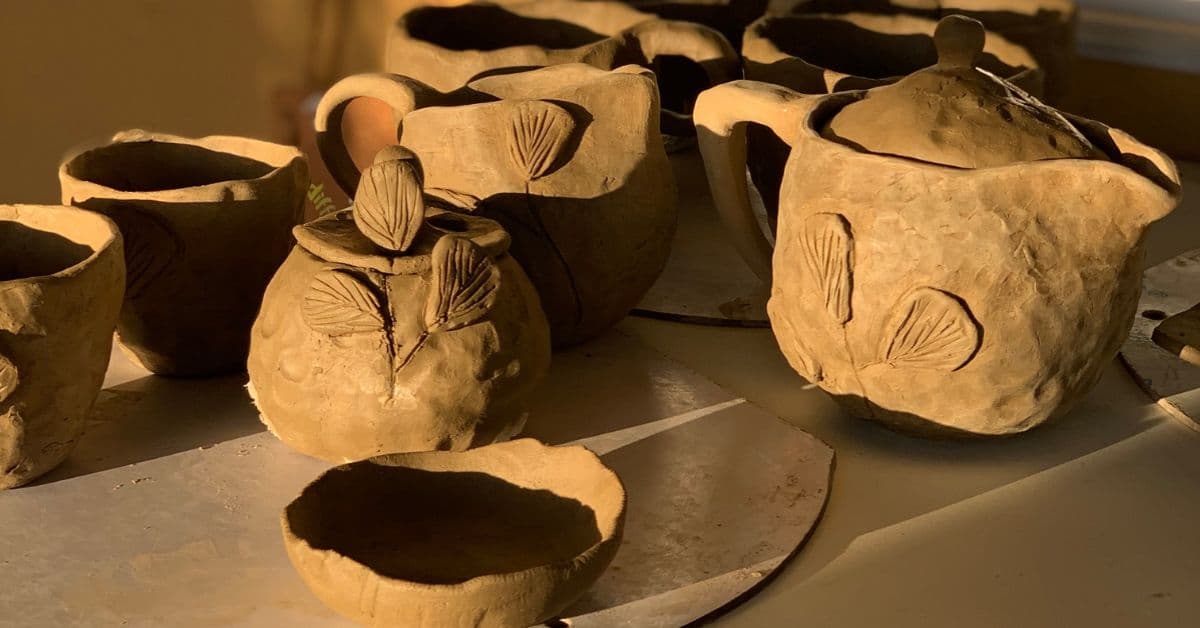
From tiles to bricks and pottery to sculptures, clay has been an integral part of human life. This guide explores everything beginners need to know about clay—what it is, its uses, and how to find and use it sustainably.
Why Is Clay Special
What makes clay truly exceptional is its versatility, especially when compared to other artistic mediums. Materials like metals such as bronze, aluminum, and iron can be forged, welded, or cast in molds, but these processes require specialized tools and intense heat.
Unlike metals, glass, and plastic materials, clay stands apart as both adaptable and simple. It doesn’t require elaborate tools or expensive equipment. Clay can be cast, modeled, thrown, rolled, pressed, pinched, stamped, slumped, pulled, or pushed into virtually any form.
What Is Clay?
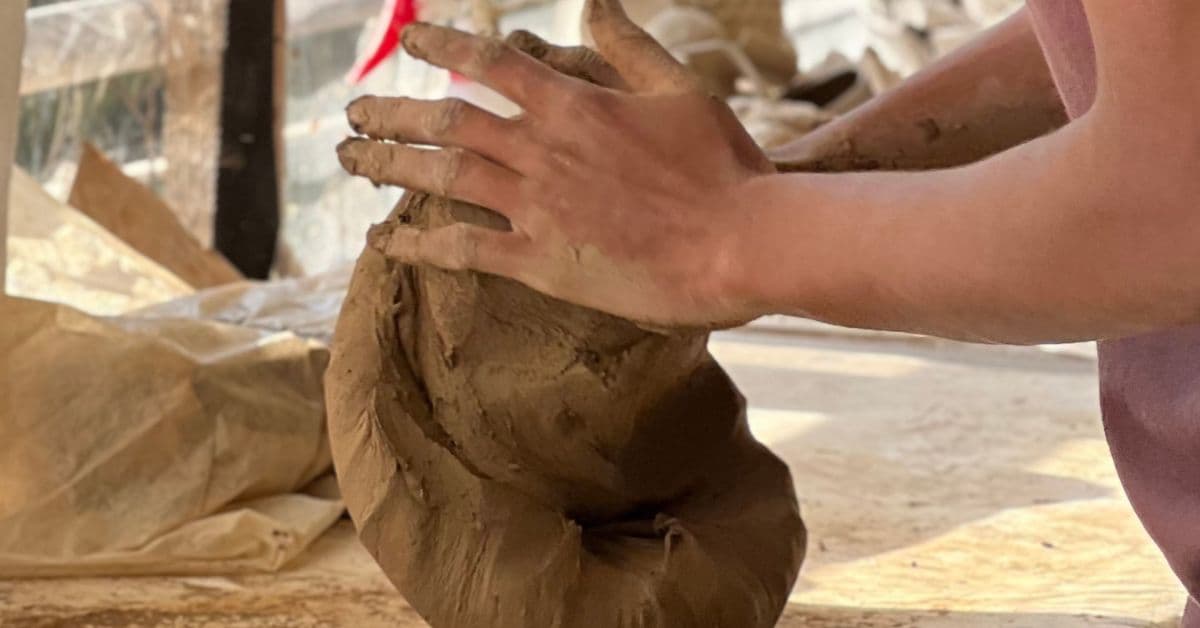
Clay is the result of the natural decomposition of certain igneous rocks, like granite and feldspar breaking down over time due to natural processes. As they decompose, they turn into tiny, flat particles called platelets.
These particles are what make up clay and give it its unique properties, like being soft and easy to shape.
Clay, Mud, and Soil: What’s the Difference?
- Clay: Fine-grained mineral particles. Highly malleable when wet. Uses: Pottery, ceramics, and bricks.
- Mud: A blend of clay, soil, organic matter, and water. Texture varies from sticky to crumbly depending on water content.
- Soil: A mix of minerals, organic matter, water, and air. Essential for plant growth and used in agriculture, landscaping, and environmental processes.
Why Clay Is the Perfect Material for Pottery
- Plasticity: Wet clay can be shaped into intricate forms, making it perfect for delicate designs.
- Firing Transformation: When fired at high temperatures, clay undergoes chemical changes, becoming hard and durable.
- Durability: Fired clay objects are resistant to water and heat, ideal for everyday use.
- Aesthetic Potential: Clay can be glazed, painted, or textured, offering endless artistic possibilities.
Where to Find Clay
While you can purchase high-quality clay from pottery supply stores, finding and working with natural clay can be a rewarding experience.
Look for riverbanks and stream beds where water has eroded the soil, exposing clay deposits. Rural India sees extensive use of locally sourced clay to make diyas, matkas, and kulhads.
Types of Clay: What Beginners Should Know
- Earthenware: Fires at low temperatures (900°C to 1,100°C). Soft and porous unless glazed. Great for beginners.
- Stoneware: Fires at mid to high temperatures (1,150°C to 1,300°C). Strong and durable. Ideal for functional pottery.
- Porcelain: Fires at high temperatures (1,200°C to 1,300°C). Smooth and translucent. Best for advanced potters.
Embarking on Your Creative Journey
Working with clay is a rewarding experience that connects you to centuries of craftsmanship. Whether you collect natural clay or buy it from a store, this material offers endless possibilities for creativity.
From pottery retreats in India to ceramic workshops in Himachal Pradesh, Dharamkot Studio and other ceramic art studios provide the perfect environment for beginners and advanced potters alike.