
Published 21 Apr 2025
In Conversation with Anton Filonov – Artist Spotlight
Born in 1993 in Inta, a small northern town in Russia known for its coal mines and long winters, Anton’s early surroundings were far from the world of pottery.
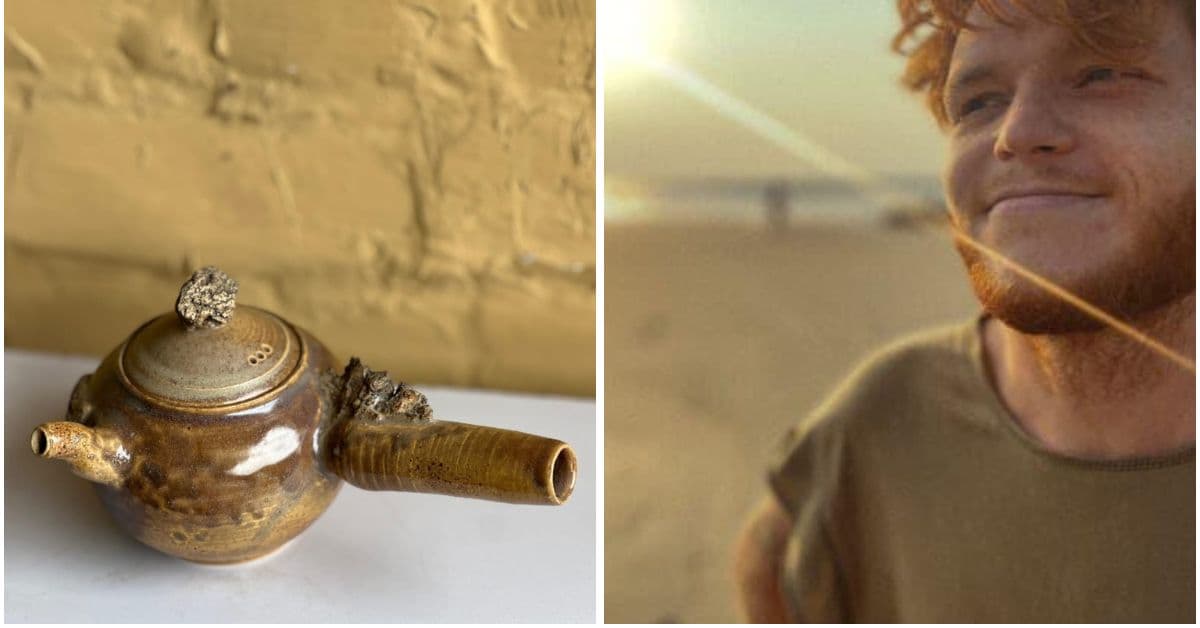
But in the silence of that landscape, something soft began to grow.
“I had no idea what I wanted to do or who I wanted to be. In Belgorod, I met great friends with whom I share many interests. We drink tea, go out in nature, build things with our hands, sing songs by the fire and swim naked in the rivers. I am grateful fate has placed such people around me”
He didn’t plan to become a potter. Anton studied business and even graduated with honors. For a short time, he tried his hand at tattooing. But nothing quite clicked—until he discovered Chinese tea, and with it, the delicate world of ceramics. That was in 2012. Something shifted, and he’s never looked back.
His first studio was his grandmother’s apartment. A wheel in the living room, a small kiln on the balcony. It was simple and makeshift, but it was enough. He learned on his own—by watching, trying, failing, and trying again.
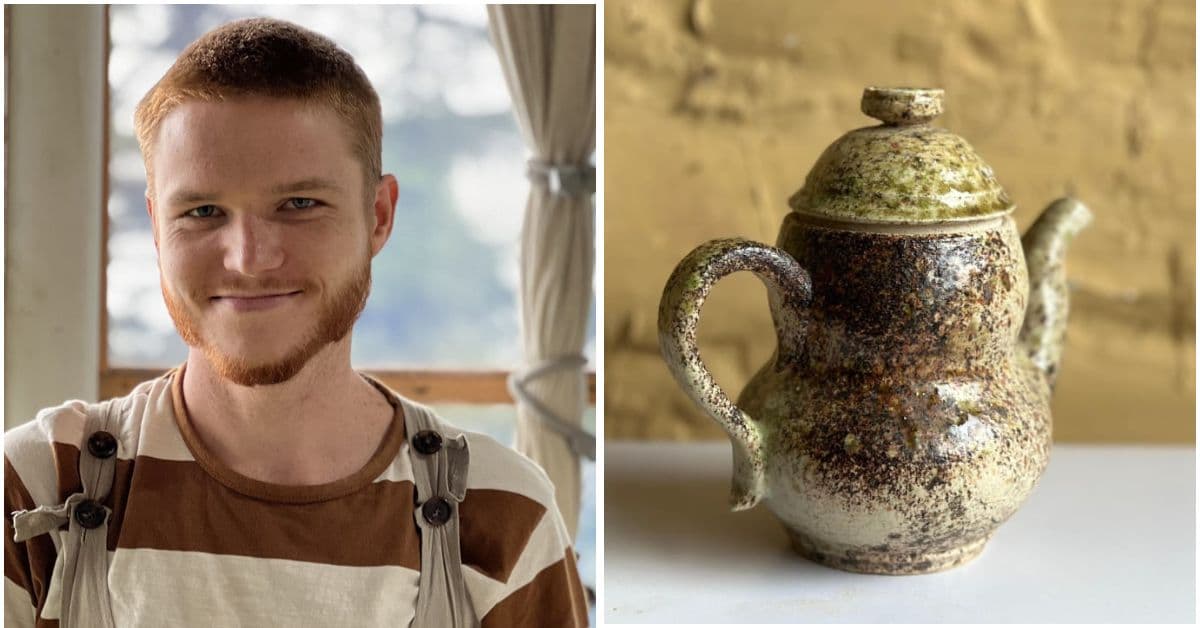
The shift was quiet but deep. What started as a curiosity became a rhythm. From the start, his focus was clear: teapots, tea ware, forms born from ceremony and calm. There is no rush in Anton’s process, only a constant returning to the essentials.
“My work draws deep inspiration from Chinese tea ceremonies, oriental philosophies, and the philosophy of wabi-sabi. With each new creation, I embark on a constant quest for fresh insights and innovative approaches.”
You can feel this in the details. His glazes echo – rivers, tree bark, mountain air. His forms carry the memory of a hand, of silence, of tea being poured somewhere in the hills.
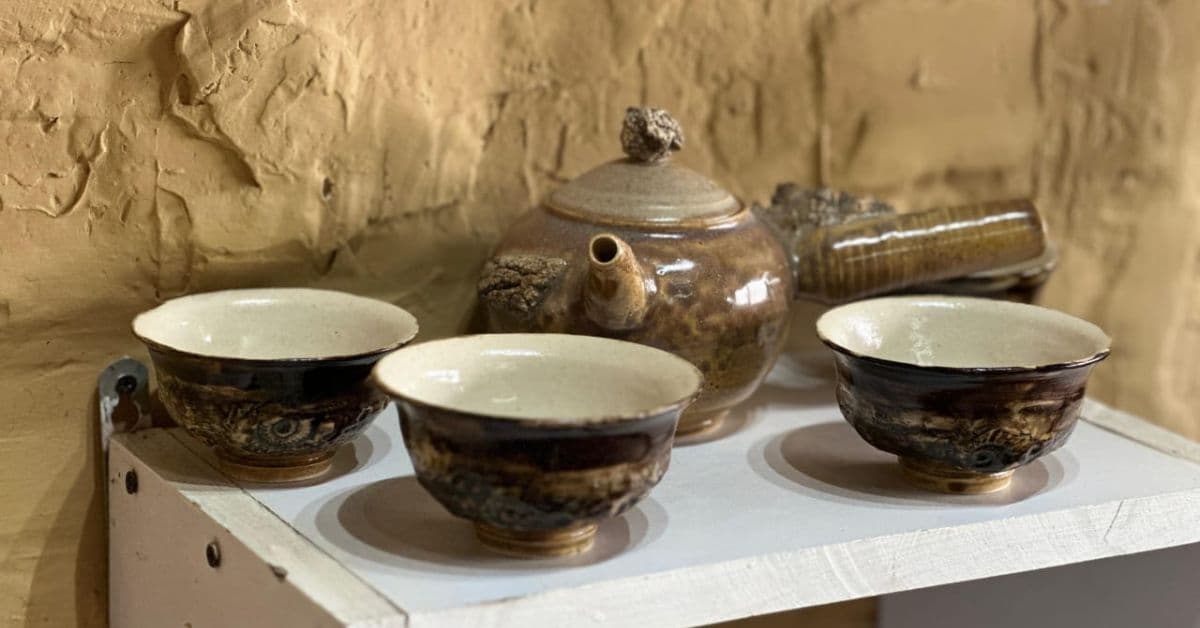
Dialogue with Anton
Could you share how your journey with ceramics began? My journey into ceramics began about nine years ago, though the intention sparked even earlier. I had a strong desire to create something—to express myself artistically.
At the same time, I was falling in love with Chinese and Japanese tea culture. The tea ceremony opened my eyes to the beautiful variety of forms and objects used within it. I was deeply inspired to make my own.
How do you choose the pieces you want to create? I love the global tea community. It’s such a kind, open, and curious group of people—lovers of beauty, seekers of truth, meditators. I’m always happy to make pieces for them.
Right now, I’m focusing on teapots. I’ve given myself a personal challenge to create a series of 1008 teapots—and I’ve made about 76 so far.
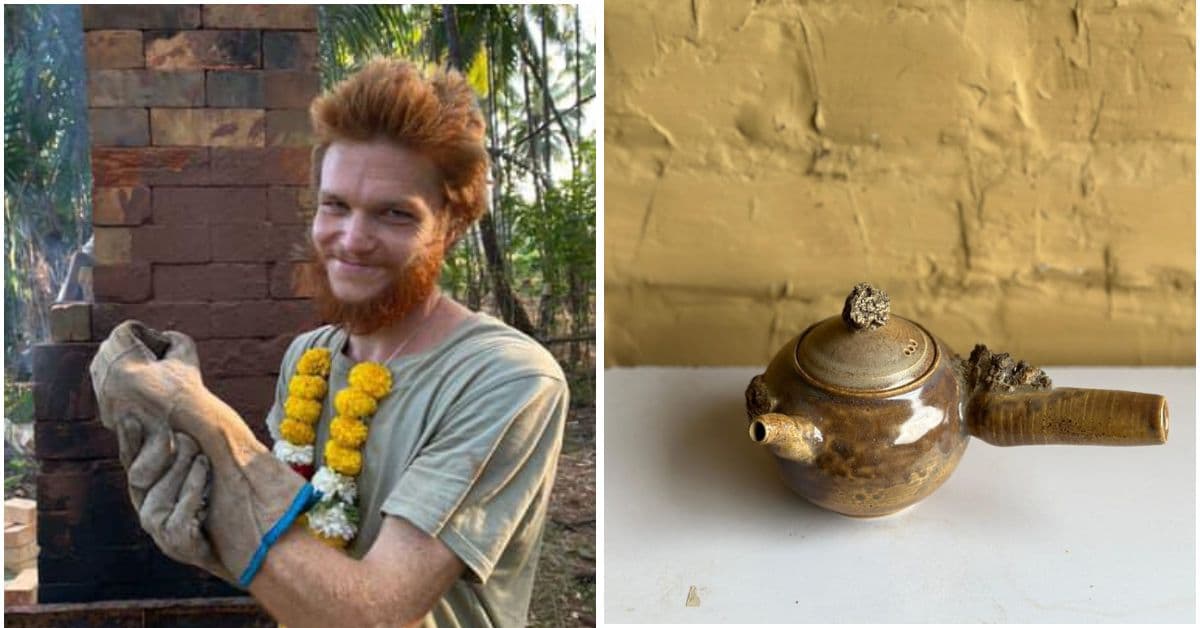
What materials do you love working with? I love working with natural materials. Ideally, I believe the best clay should be dug by hand—I’ve done that in Goa while wood firing, and I try to do the same in Russia when I can.
What’s your favorite part of making teaware? It’s hard to choose. I love working at the wheel—it’s deeply meditative. I often imagine it as a black hole, where all forms are born. It feels cosmic, almost spiritual.
But perhaps my favorite part is wood firing. It’s intense, unpredictable, and beautiful. Over time, the wood reaches such high heat that ash melts and settles on the ceramics, forming its own natural glaze.
What does tea mean to you beyond the objects you create? Tea, to me, is more than a drink. It’s medicine. A plant of wisdom and strength, grown high in mountains where other crops can’t survive.
And maybe that’s the beauty of it all—Anton’s pots are full of small details that remind us to slow down, to notice, to breathe. Each one is a reminder that handmade craftsmanship still has a place in this fast world.