
Published 19 Mar 2025
In conversation with Jakub Biewald: Artist Spotlight
Jakub’s body of work is a remarkable blend of organic forms, intuitive creation and deep connection to the natural world.
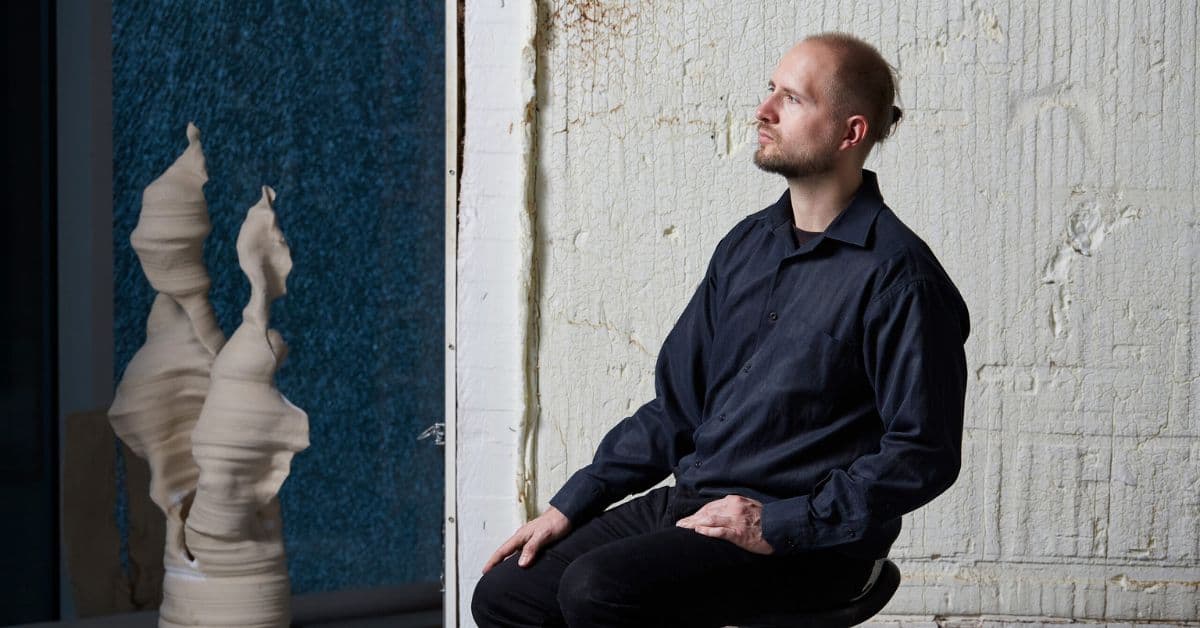
In his ceramics, he blends the raw beauty of nature with the meticulous craft of clay modeling.
When I first discovered Jakub Biewald’s work at Dharamkot Studio, I was immediately drawn to his distinct artistic style. At the entrance of the Studio, his work catches your attention, standing out from the array of ceramic art pieces on the shelf.
A diver, a lover of natural forms and a sculptor at heart—Jakub’s work is imbued with the raw beauty of life. His deep love for the organic world is expressed in the clay he shapes with his hands.
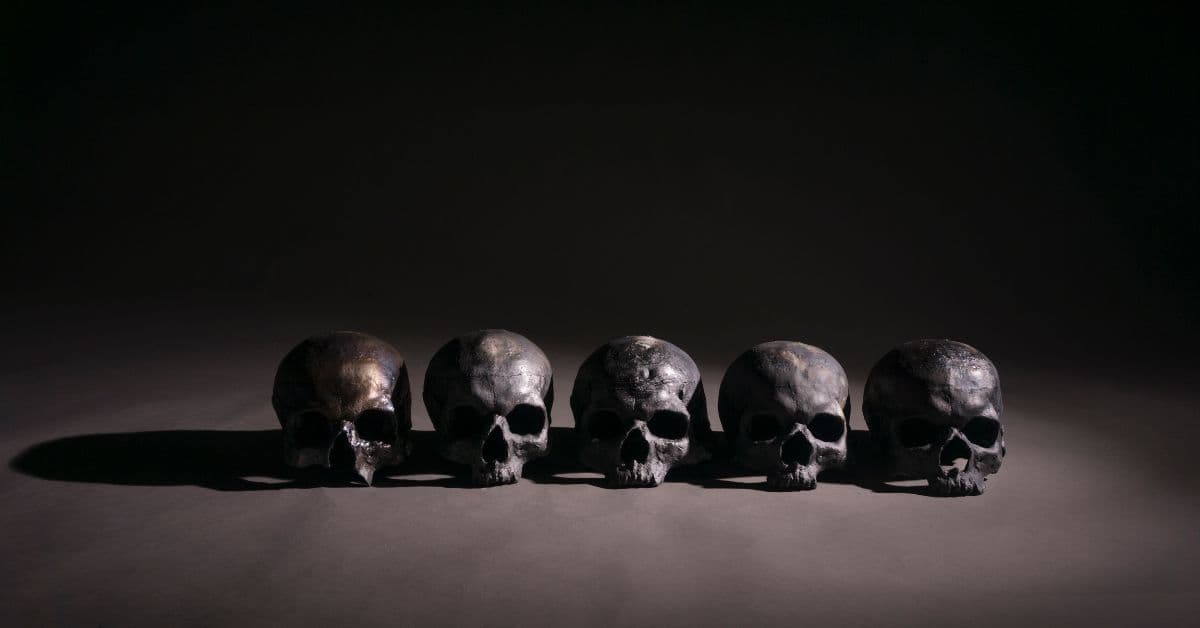
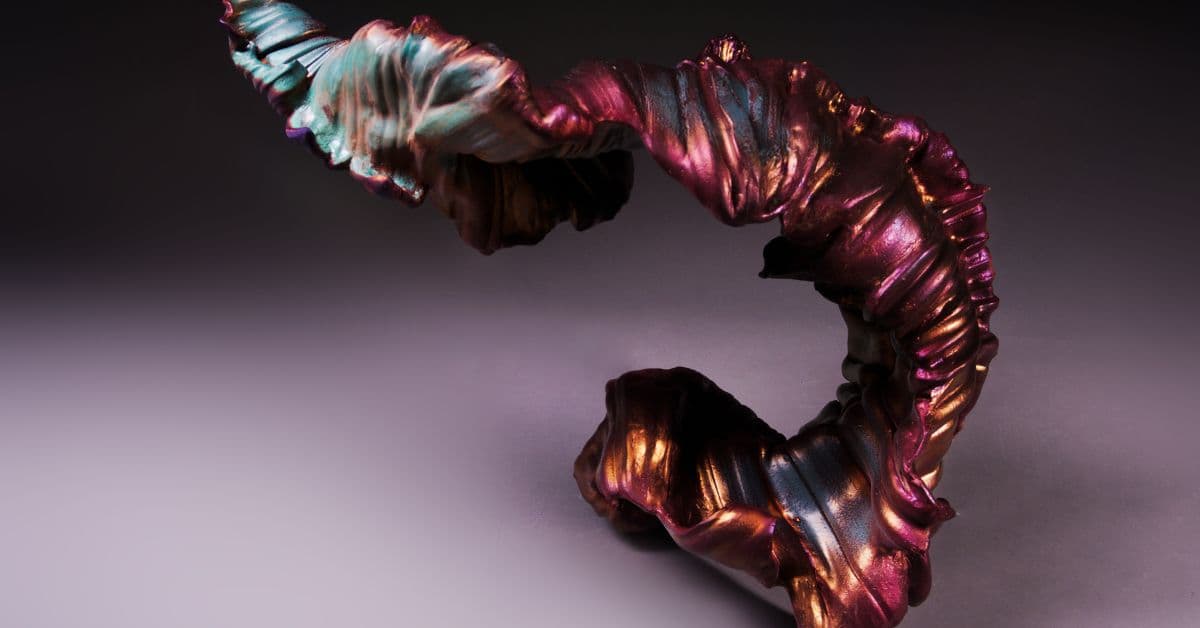
One of Jakub’s notable series of works is The Underwater—a collection that draws directly from his love of diving and the intricate life forms found beneath the surface.
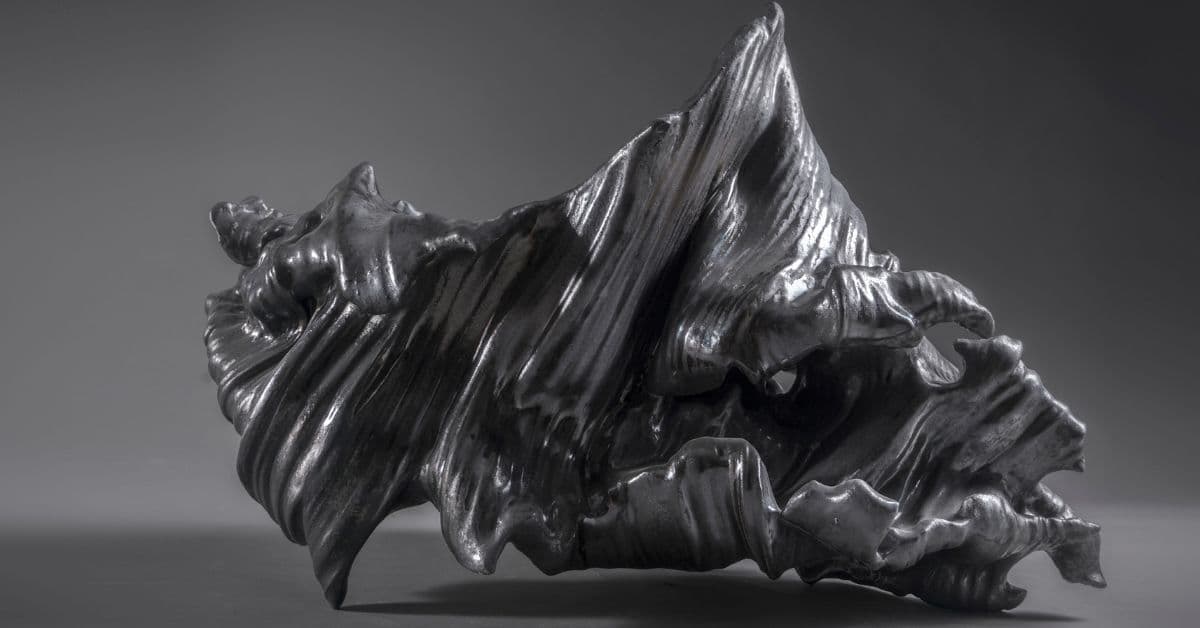
These pieces, created in the early 2010s, are striking in their fluidity and complexity. The sculptures appear to be caught in motion, as if they’re suspended in a current, twisting and spiraling in organic, anemone-like forms.
Jakub’s ceramics have an unmistakable fluidity, reminiscent of the underwater worlds that so fascinate him. His forms often resemble organic creatures, alive with motion and unmissable detail.
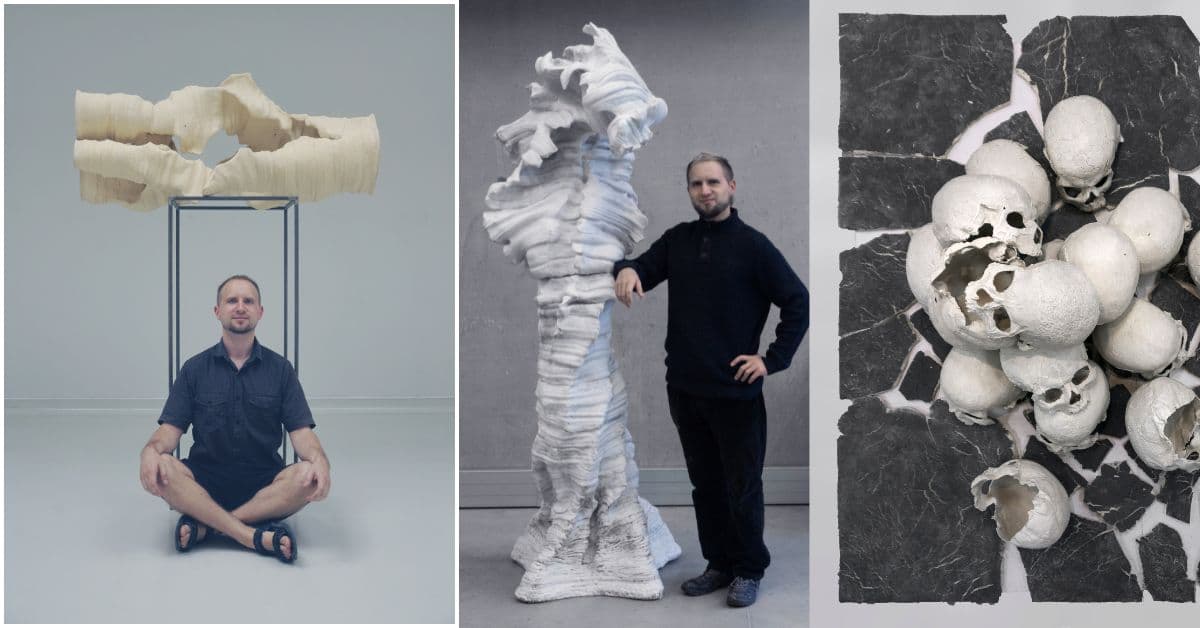
Shapes emerge from the clay like biological entities, their textures both foreign and familiar, evoking deep curiosity. They feel at once like forms we’ve never seen but also like fragments of nature we may have encountered on a forgotten shore.
Yet, ceramics are only part of Jakub’s creative universe. As we explore his body of work, we see how it flows seamlessly into other mediums, broadening our understanding of his vision.
While clay remains the backbone of his practice, it’s through his photography and drawings that we come to understand the full depth of his inspiration.
In Conversation with Jakub Biewald
It is in the quiet dialogue between hands and clay where Jakub Biewald finds his truest expression. A sculptor whose forms seem to breathe with life, Jakub’s journey is woven with serendipity, curiosity, and a profound connection to nature and emotion.
Could you share how your journey with ceramics began? It was a coincidence, Jakub reflects. Initially, I wanted to study painting, but I ended up in archaeology. Just next door was the sculpture department, and I found myself intrigued by the possibilities of creating in three dimensions.
What began as an unexpected detour soon became a calling. Eventually, I realized I am more like a sculptor working with clay than a potter. But after spending years immersed in ceramics, I’ve grown comfortable with both realms.
How do you choose the pieces you want to create? I would say rather they choose me somehow, he muses. Of course, some ideas are filtered through practical considerations like time, space, or the dimensions of a kiln. But there’s an organic pull, a quiet insistence from certain forms waiting to be shaped.
What materials do you love working with? Different types of clay speak to me, but chamotte clay suits most of my ideas. Beyond that, I find beauty in wood and stone.
What’s your favorite part of making ceramic sculptures? Definitely creation—the act of building forms, watching them grow, listening to the clay, and following where it leads. But firing holds its own magic too.
How does Polish culture influence your art? In some way, for sure—there’s no escaping the world we live in. Polish culture seeps in through traditional pre-Christian beliefs, the expansive landscapes of Polish fields, the dramatic history of the country, and poems filled with nostalgia.
Jakub’s work transcends the tangible. His sculptures are not merely objects; they are silent poems, shaped by intuition and emotion, grounded in tradition yet untethered by it. They invite us not just to look, but to feel, to listen to the quiet language of form and space.