
Published 31 Jan 2025
Pottery vs. Ceramics: Understanding the Key Differences
Many people consider pottery and ceramics to be the same, but there are distinct differences between the two. While pottery is a form of ceramics, ceramics as a category covers a much broader range of objects and materials.
What Are Ceramics?
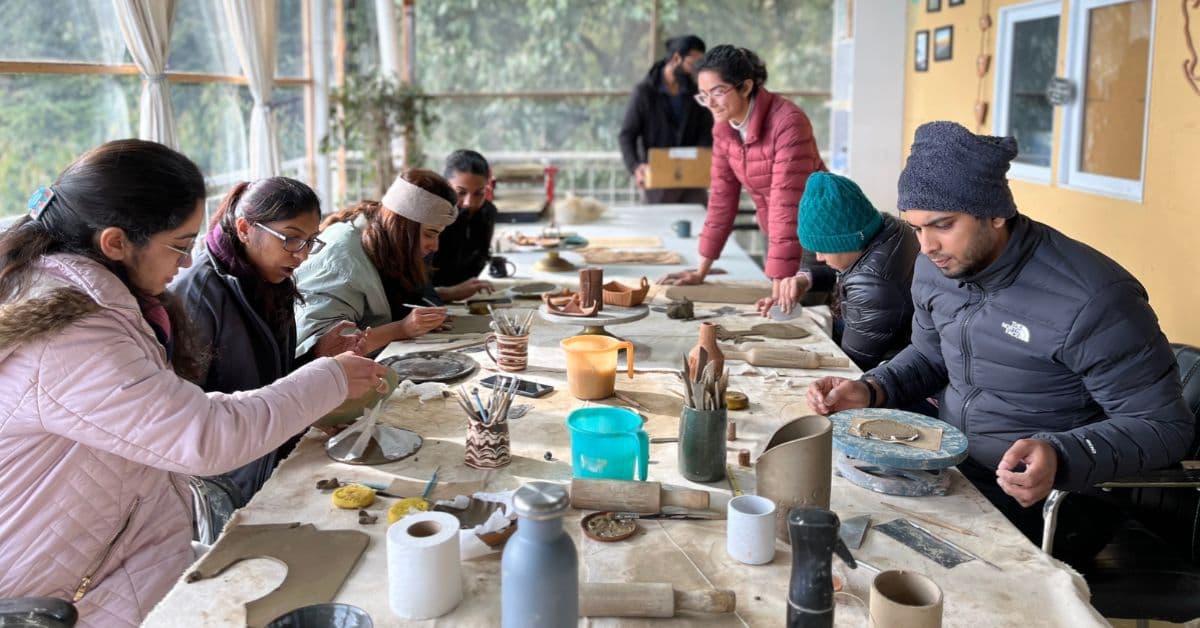
A simple definition of ceramics is non-metal materials that undergo a permanent change when exposed to high heat. Clay is a prime example of a ceramic material. Once fired, clay transforms into ceramic, an irreversible process that hardens and strengthens the material.
What Is Pottery?
Pottery is a specific type of ceramic, primarily made from clay, and is generally used to create functional vessels such as coffee mugs, cereal bowls, and vases.
In simpler terms, any art piece made from clay is classified as ceramic, whereas any functional piece that holds something is considered pottery.
How Pottery and Ceramics Are Made
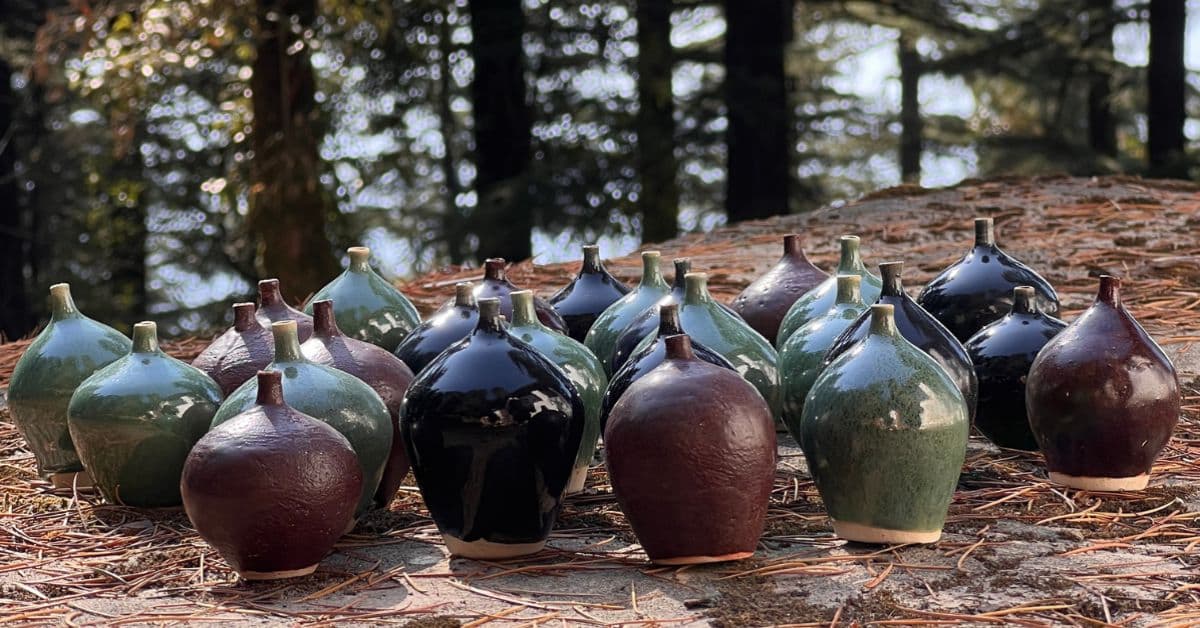
Pottery is usually handcrafted or shaped on a potter’s wheel. The clay is molded into a vessel and then fired at high temperatures to solidify it.
In contrast, ceramics can be made from clay combined with other non-metal materials, such as silica and glaze, and are also fired at high temperatures. While pottery is often handmade, ceramics are commonly produced on a large scale in industrial settings.
Functional and Artistic Differences
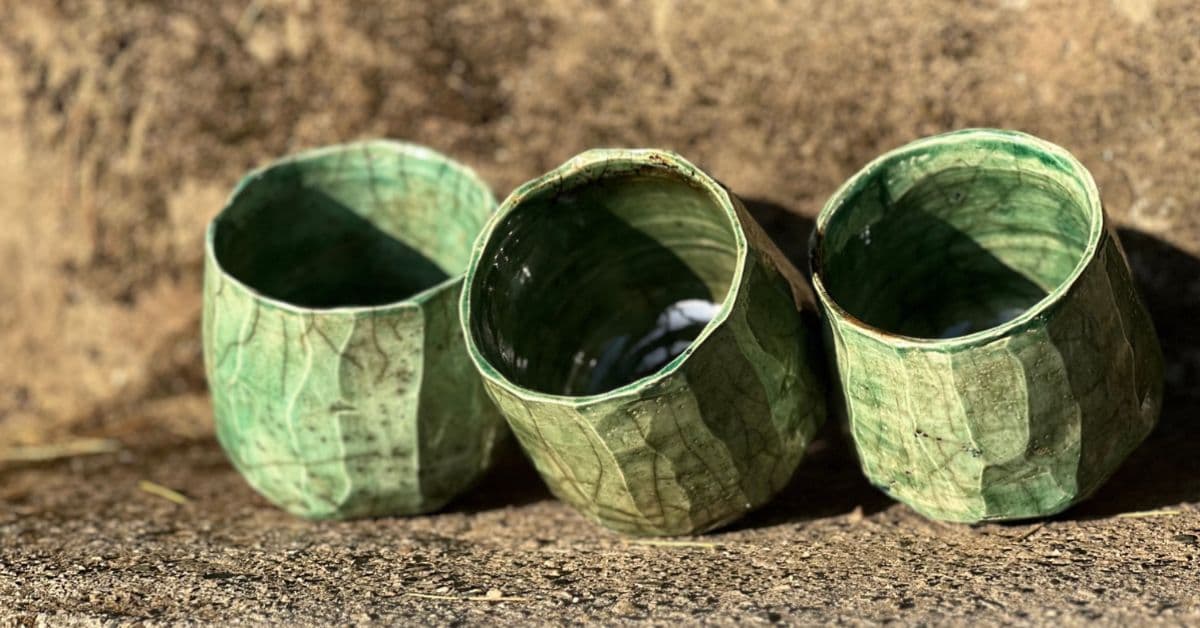
Pottery is primarily used for functional purposes, such as containing food and drinks, and is usually glazed to make it non-porous.
On the other hand, ceramics encompass a wide range of products, including tiles, sanitaryware, and thermal insulators. Apart from industrial applications, sculptures and figurines made from clay are classified as ceramics rather than pottery.
Durability and Texture
Ceramics tend to be more durable and robust as they are often engineered for specific applications. Pottery, while sturdy, is generally more fragile and can break easily if dropped.
Since pottery is handcrafted, it often has a rougher texture, with slight variations and imperfections even among similar pieces. Ceramics, especially those manufactured using precise tools and machines, usually have a smoother and more uniform surface.
Types of Ceramic Clay Used in Pottery
- Earthenware: Fired at low temperatures (1000-1100°C). Naturally occurring, also known as red-burning terracotta clay. Rough and porous after firing; must be glazed and refired to be food-safe.
- Stoneware: Fired at higher temperatures (1200-1250°C). A blend of different clays and minerals. Vitrified and non-porous after firing, making it durable and less brittle than earthenware.
- Porcelain: Fired at very high temperatures (1200-1400°C). Naturally occurring fine white clay composed of kaolin and granite. Becomes hard, glossy, white, and sometimes translucent after firing.
Conclusion
While pottery and ceramics share similarities, they are distinct in their purpose, texture, and production methods. Pottery is primarily functional, made from clay and shaped by hand, whereas ceramics include a broader range of engineered and industrially produced products.
Understanding these differences helps appreciate the artistry and craftsmanship behind both forms, whether in handcrafted pottery or precision-made ceramics used in various applications.