
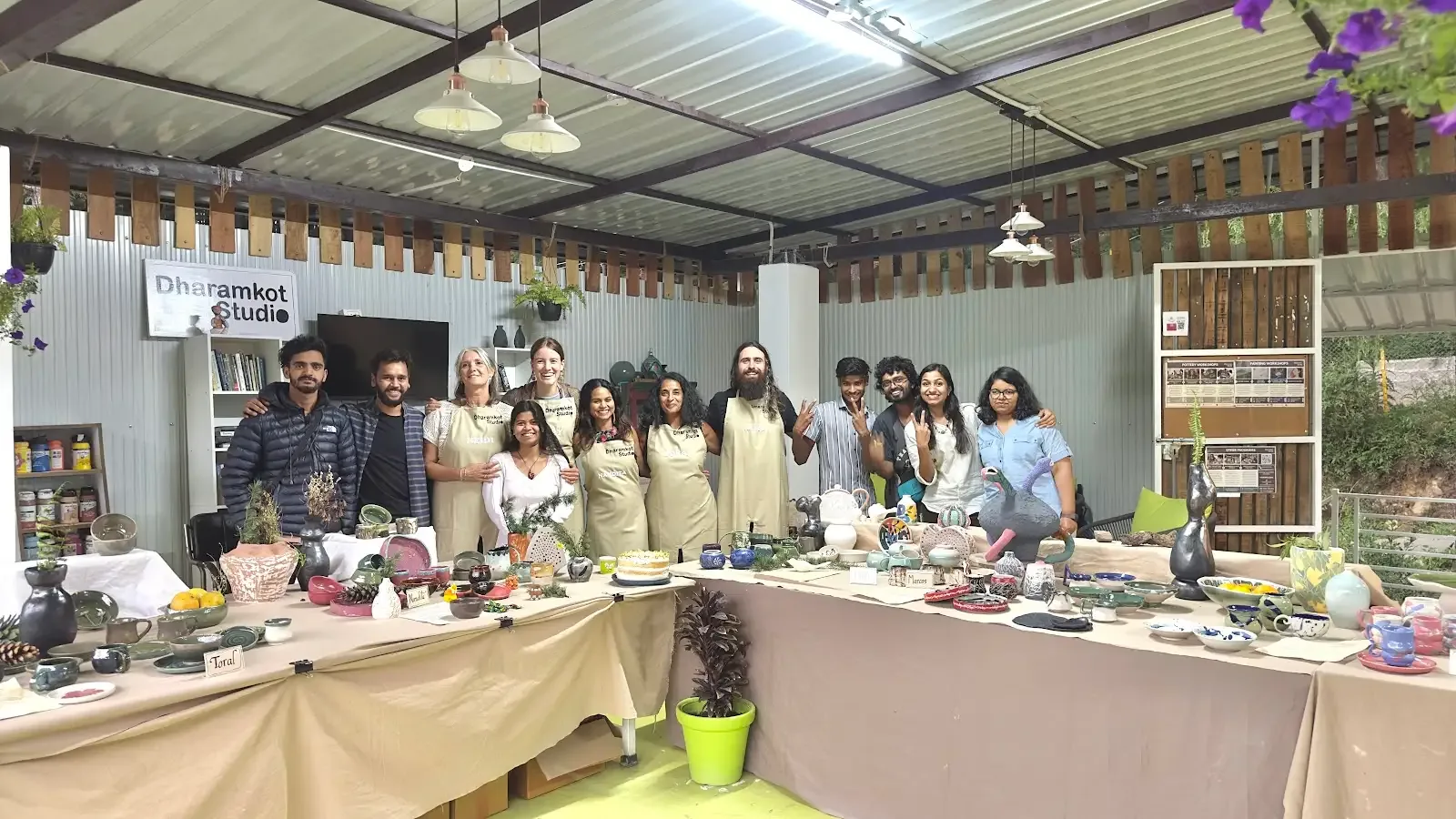
5-Week Pottery Course Dharamshala, Himachal Pradesh
Designed to provide a comprehensive understanding of the basic components required to work as a beginner ceramic/pottery artist. Throughout the course, you will engage in structured tasks and projects that build technical skill, creative confidence, and a practical working knowledge of clay.
Designed to provide a comprehensive understanding of the basic components required to work as a beginner ceramic/pottery artist. Throughout the course, you will engage in structured tasks and projects that build technical skill, creative confidence, and a practical working knowledge of clay.
Duration
5 weeks, full-time
Weekly format
6 days / week · 10 am – 5 pm
Structure
4 Modules + Immersion + Final Showcase
Tracks
Wheel-Throwing / Hand-Building
Duration
5 weeks, full-time
Weekly format
6 days / week · 10 am – 5 pm
Structure
4 Modules + Immersion + Final Showcase
Tracks
Wheel-Throwing / Hand-Building
Upcoming batches
- Batch 010121 Aug – 24 Sep 2026
- Batch 020202 Oct – 05 Nov 2026Sold out
- Batch 030313 Nov – 17 Dec 2026
- Batch 04045 March – 8 April 2027
Course fees
INR 105,800 + 18% tax
Includes the complete course and all materials.
INR 214,700 + 18% tax
Includes the course, all materials, a private room, and all meals.
5 students per batch · Small groups for focused guidance.
How You’ll Learn Over 5 Weeks
A clear journey from foundations to your first small body of work. Each module builds on the previous one, combining skill, surface, design and firing.
Module 1 · Form & Shape Fundamentals
Build core skills in wheel-throwing and hand-building.
Module 2 · Surface, Glaze & Firing
Explore surface design, glazing and kiln cycles.
Module 3 & 4 · Specialisation, Finishing & Final Showcase
Choose your track, complete your pieces and exhibit your work.
Module 1 · Form & Shape Fundamentals (Weeks 1–2)
Strengthen your relationship with form through repetition, correction and guided practice.
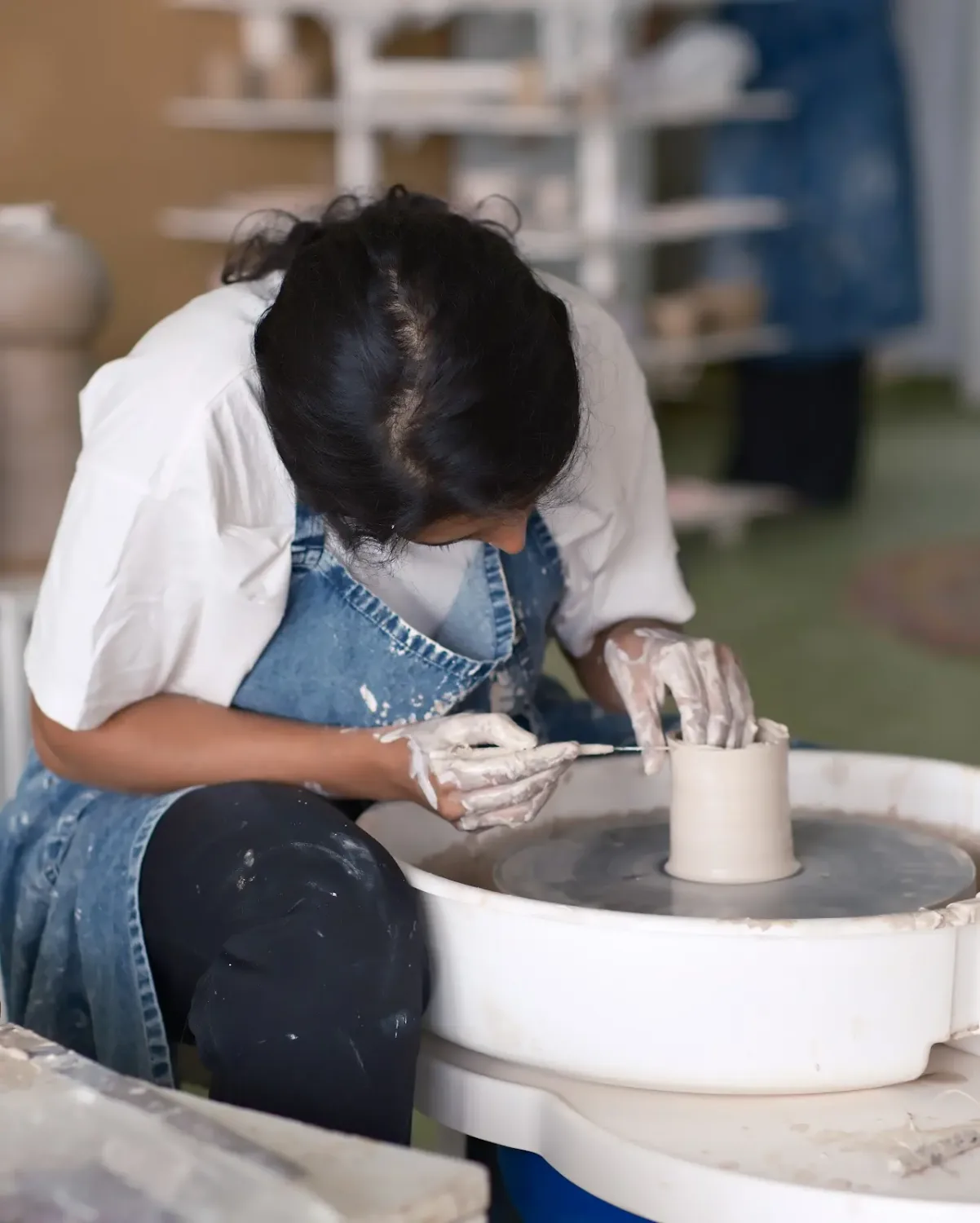
Wheel-Throwing Basics
- Centering, pulling and shaping on the wheel
- Primary forms: cylinders, cups and small bowls
- Introduction to trimming and finishing rims and bases
Hand-Building Basics
- Slab-building and coiling techniques
- Joining parts securely for strength
- Exploring simple functional and sculptural forms
Daily Practice Routines
- Guided practice sessions with instructor support
- 2–3 hours of self-practice every day
- End-of-week critiques to review progress
Outcome: You can independently throw and hand-build basic forms, with improved control and consistency.
Module 2 · Surface, Glaze & Firing Essentials (Weeks 2–3)
Move from “just forms” to “finished pieces” through surface and firing.
Surface & Design
- Texture techniques: carving, inlay, sgraffito, stamping
- Underglaze decoration and colour planning
- Balancing function and aesthetics on surfaces
Glaze & Kiln Basics
- Introduction to mid-range stoneware glazes (cone 5–7)
- Glaze behaviour on different clay bodies
- Glaze application and common glaze issues
- Bisque and glaze firing cycles (electric / gas)
Practice Focus
- Create test tiles and glaze samples
- Glaze and fire small pieces to see results
- Observe at least one bisque or glaze firing where possible
Outcome: You understand how to finish your work, not just form it.
Module 3 · Choose Your Track (Weeks 3–5)
Focus your energy on what calls you more: the wheel, or hand-building.
Track A · Wheel-Throwing Specialisation
Deepen your wheel skills and develop your own functional line of work.
You’ll focus on
- Refining wheel-thrown forms for consistency
- Creating sets (mugs, bowls, cups, small plates)
- Intermediate trimming, handles and attachments
- Functional design: lips, bases, weight and comfort
Outcomes: A small series such as a 3–5 piece functional set.
Track B · Hand-Building Specialisation
Explore sculptural, conceptual or hybrid functional work through hand-building.
You’ll focus on
- Slab-built vessels, jars and boxes
- Coiled larger forms and structural planning
- Sculptural or narrative pieces in clay
- Mixed surface approaches and form-language
Outcomes: 2–3 key works, including one “signature” piece.
Module 4 · Glazing, Firing & Finishing (Final Week)
Complete the full cycle from raw piece to finished, fired work ready for a small showcase.
Final Glazing Decisions
- Selecting which pieces to fire and finish
- Planning surfaces for sets and signature pieces
- Applying glazes and underglazes with intention
Firing & Opening the Kiln
- Supervised loading of glaze kilns
- Understanding cooling and timing
- Kiln opening and first reactions
Finishing & Documentation
- Cleaning bases and final touch-ups
- Basic photography of your work
- Preparing for the final showcase
Outcome: You leave with a small, thoughtful body of fired ceramic work rather than just practice clay.
Final Showcase & Critique
A gentle introduction to sharing your work publicly.
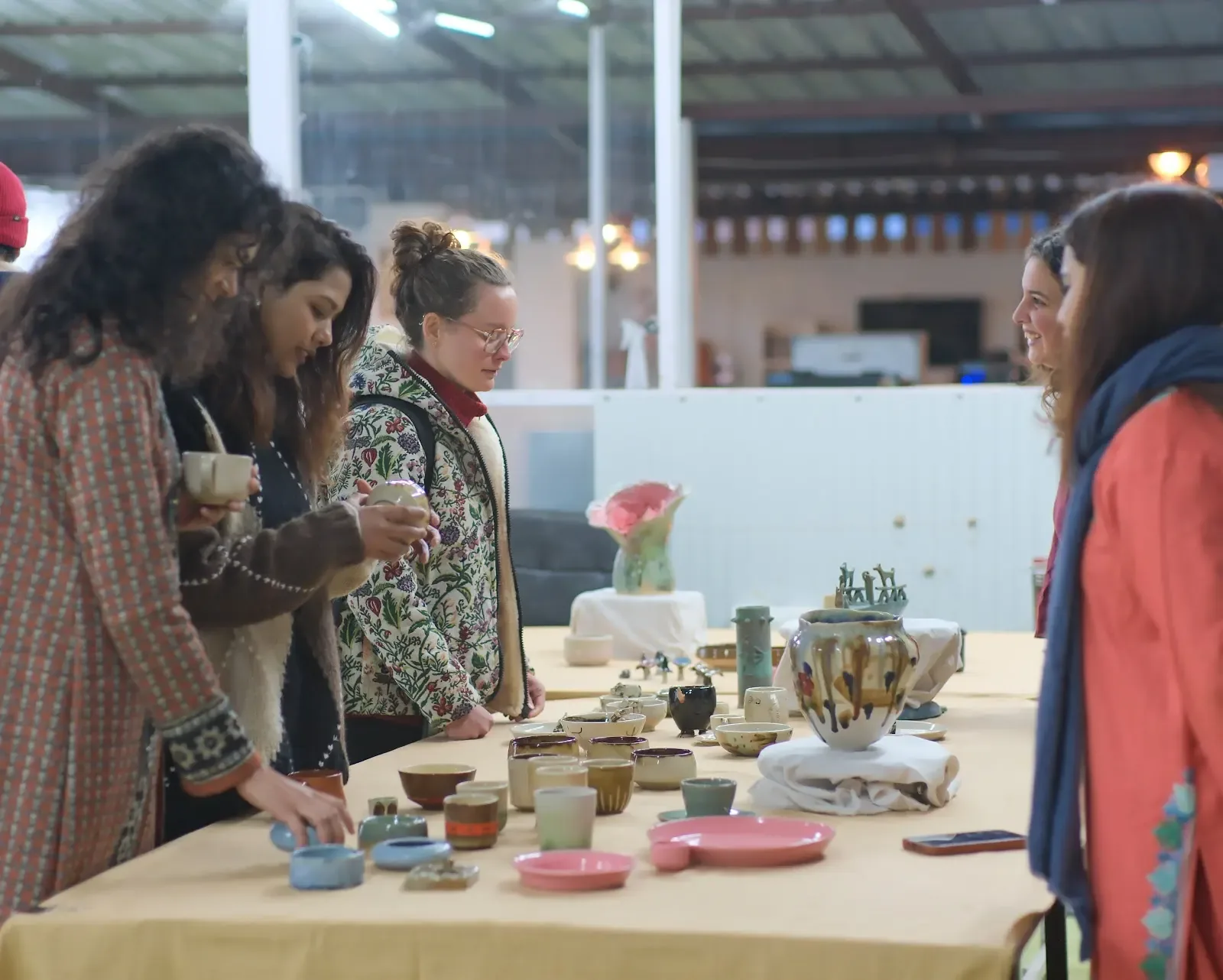
Student Exhibition
- Display your best pieces in a small in-house exhibition
- Share your process and learnings with peers
Feedback & Next Steps
- Group and mentor critique of your work
- Suggestions on how to improve technique and design
- Guidance on studio setup and next steps in clay
How You’ll Learn
A mix of demonstration, guided practice, self-study and mentoring, designed for real growth.
Demonstrations
Instructors break down each technique step-by-step so you can see it clearly before trying it yourself.
Guided Practice
Practice alongside a mentor who can correct your posture, grip, pressure and timing as you throw or build.
Self Practice Hours
Dedicated hours every day to repeat forms, experiment and slowly build your own rhythm with clay.
Mentor Check-ins
Weekly one-on-one conversations to review your progress, work through blocks and adjust your goals.
What You’ll Walk Away With
Technical Foundation
A solid base in wheel-throwing, hand-building, surface design, glazing and firing.
Finished Ceramic Work
A small portfolio of functional and/or sculptural pieces made and fired by you.
Independent Studio Skills
Enough confidence to work in a shared studio or begin setting up a small home workspace.
Creative Direction
A clearer sense of your style, interests and next steps if you want to take pottery further.
Course Logistics
Working Hours
10am-5pm (6 days a week), Lunch – 1:30-3pm, Location – Studio-2 (art retreat centre).
How to Apply
Submit an application using the course booking form. Choose your preferred batch and accommodation, and tell us a little about yourself. We’ll review your application and contact you about the next steps. Admission prioritizes the quality of applications, followed by availability.
Booking / Cancellation / Rescheduling
The booking amount is 30% of the total amount and is non-refundable. Your course can be rescheduled in case of emergency.
About location
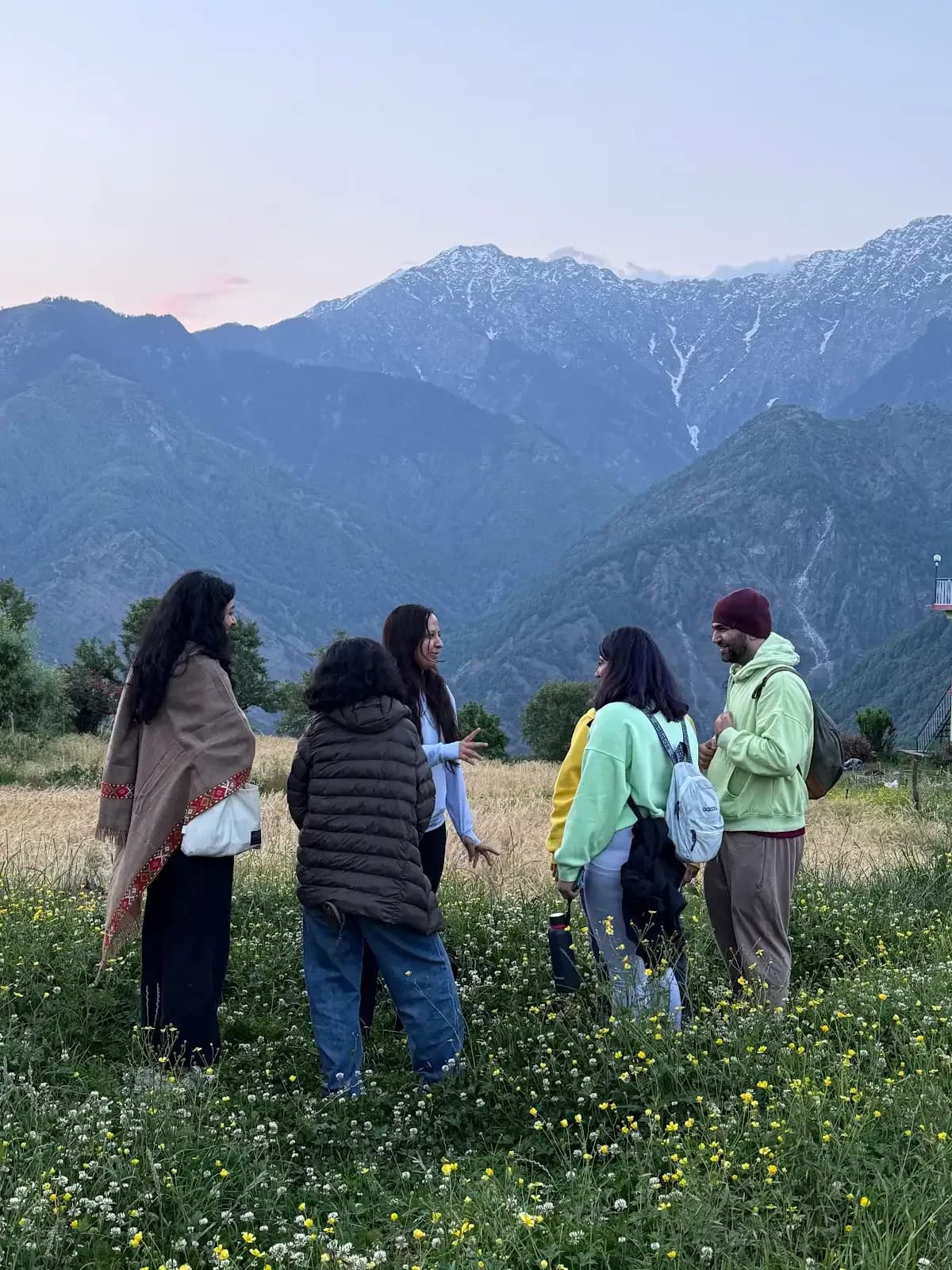
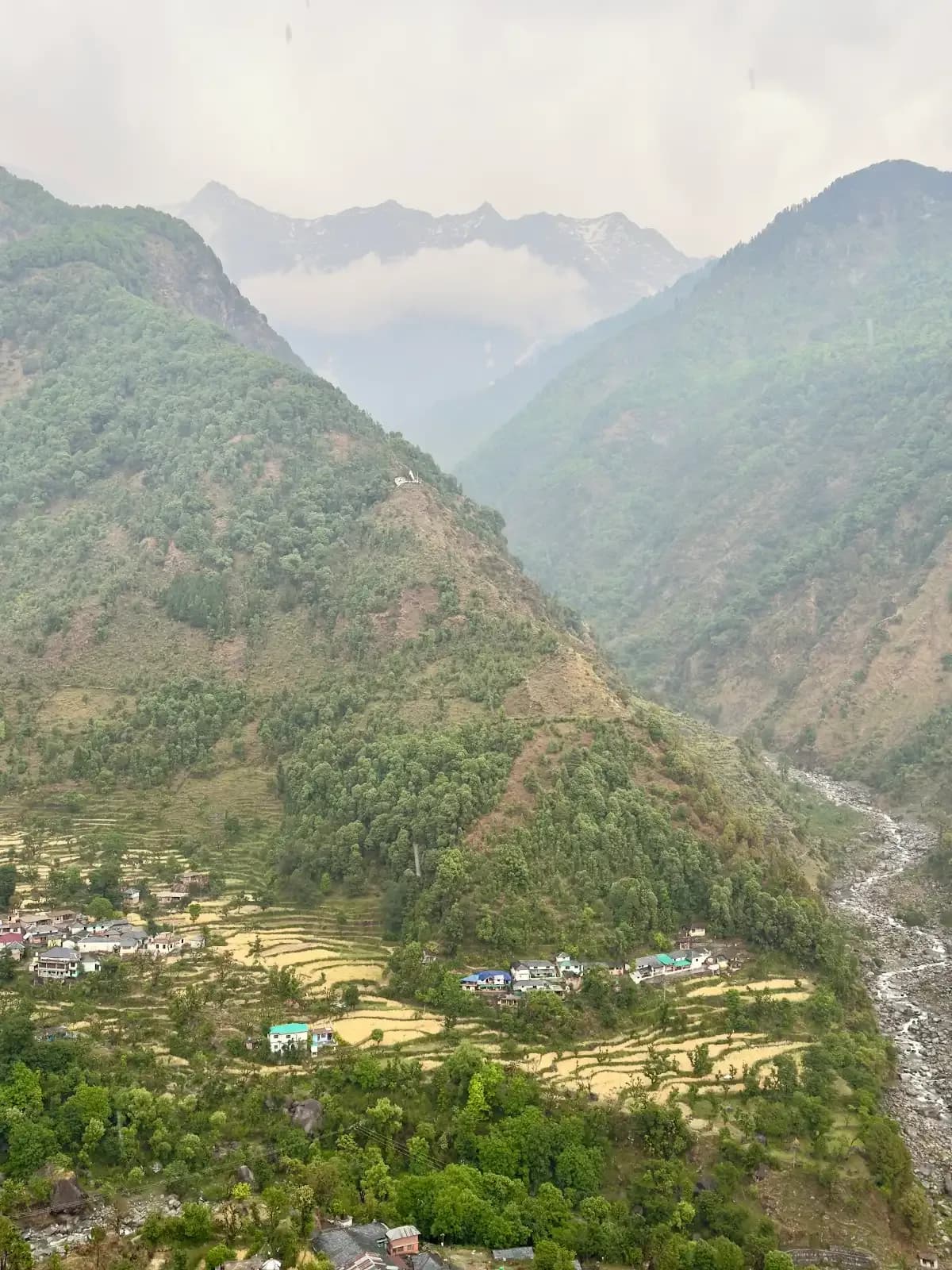
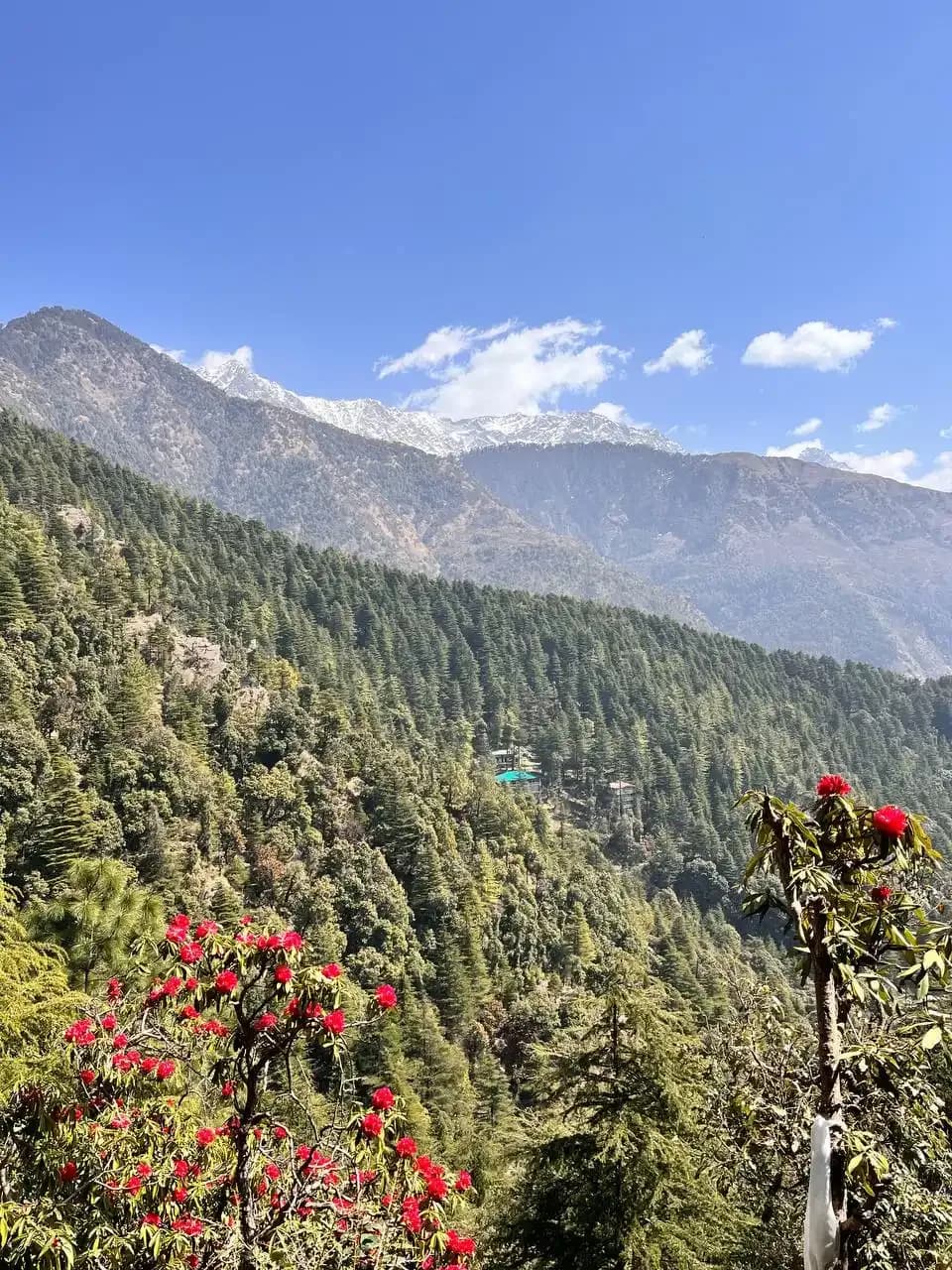
Set above McLeod Ganj, Dharamkot is a small mountain village (10 km from Dharamshala) surrounded by pine and cedar forests, known for its quiet pace and close connection to nature, making it well suited for an art retreat in Dharamkot.
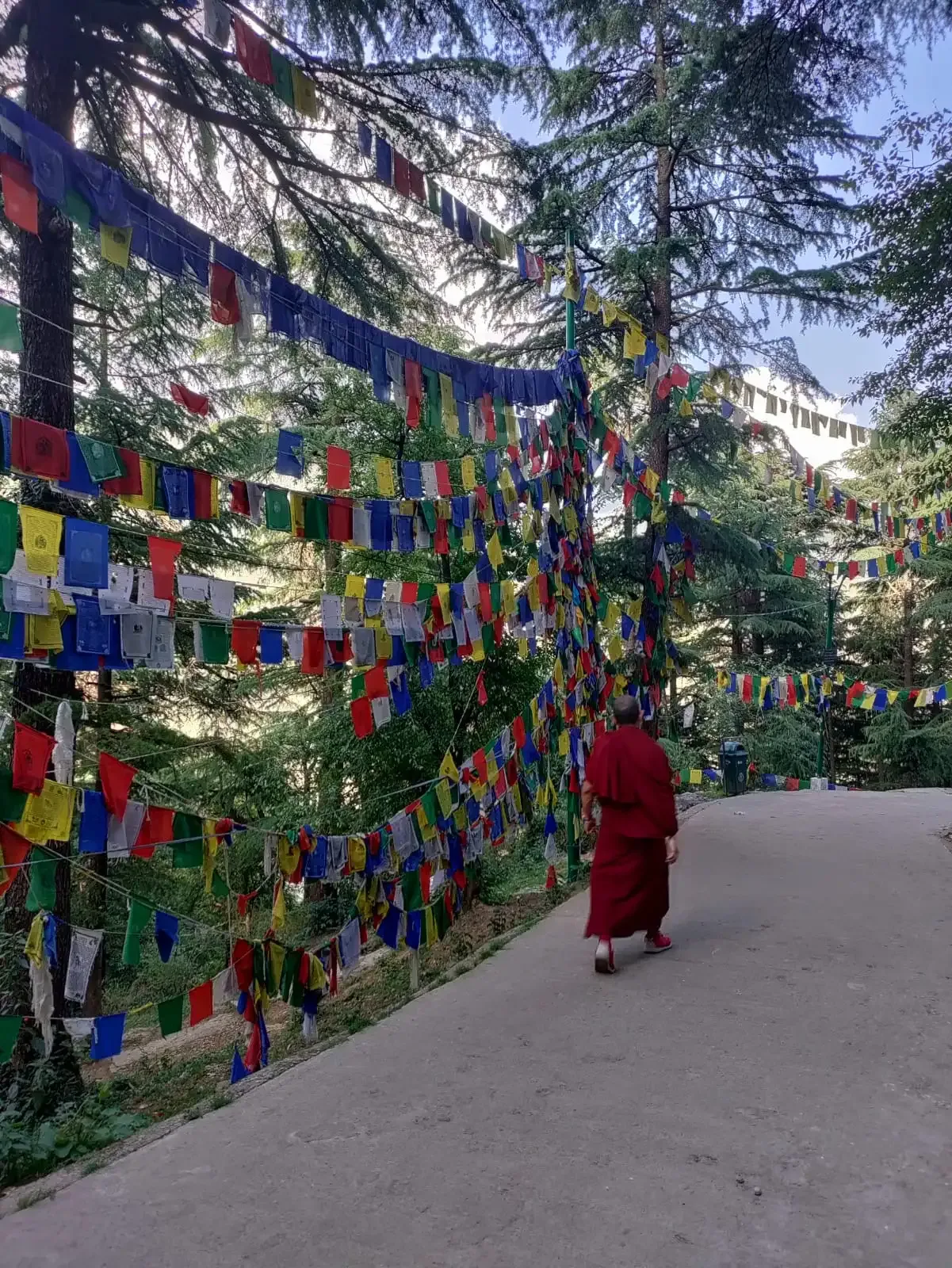
The area is deeply influenced by Tibetan culture, shaped by the presence of the Dalai Lama and the Tibetan community based in McLeod Ganj. Monasteries, prayer flags, meditation spaces, and everyday rituals add a sense of calm, mindfulness, and reflection to daily life here.
Along narrow village paths are forest trails, simple cafes, and small guesthouses, shared by artists, long-term residents, and travellers.
Stay and Meals - Dharamshala
The accommodation is located amidst pine and cedar forests, just a 5-minute walk from the village while remaining quiet and secluded.
Participants staying with us receive a private room with an attached bathroom, balcony, WiFi, hot water, power backup, and views of the Dhauladhar mountains.
Healthy vegetarian meals are available at our in-house cafeteria, with vegan and gluten-free options on request. Several cafés are also within a 7–10 minute walk from the retreat centre.
Ready to Learn with Clay?
If this curriculum feels like the right pace and depth for you, review the upcoming batches and submit an application for the Dharamshala course.
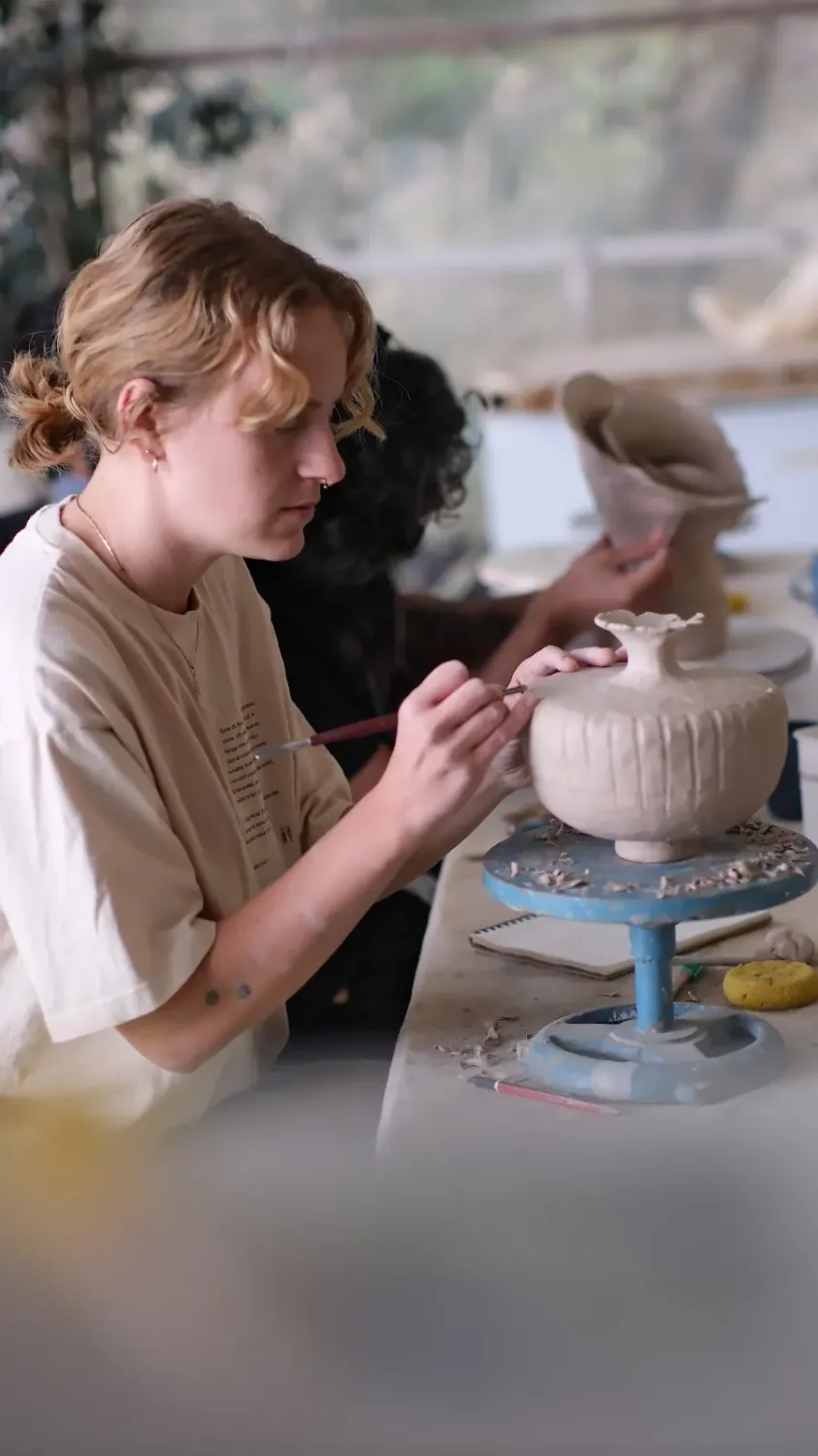
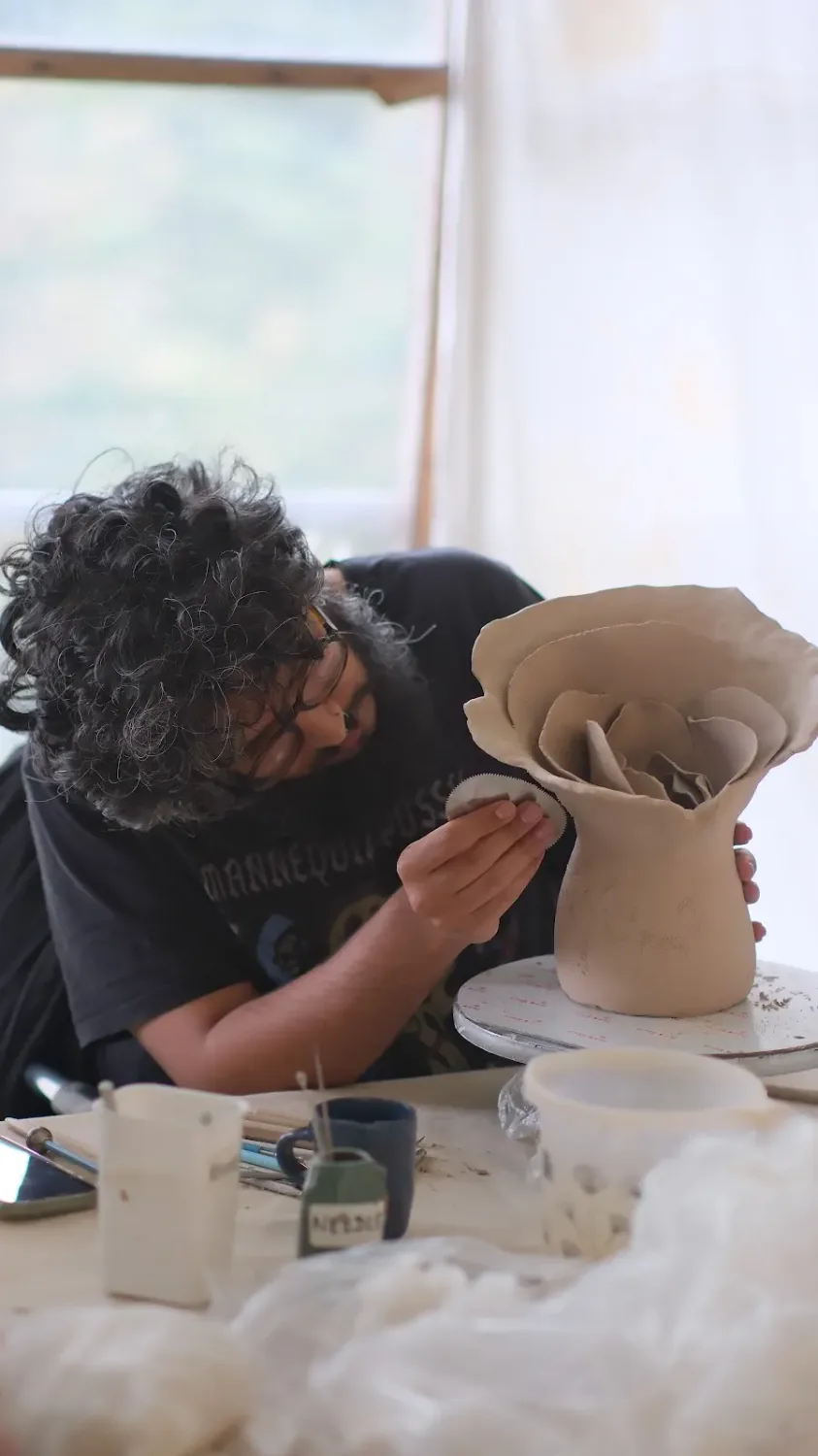
Privacy, booking & cancellation policiesStudio gallery
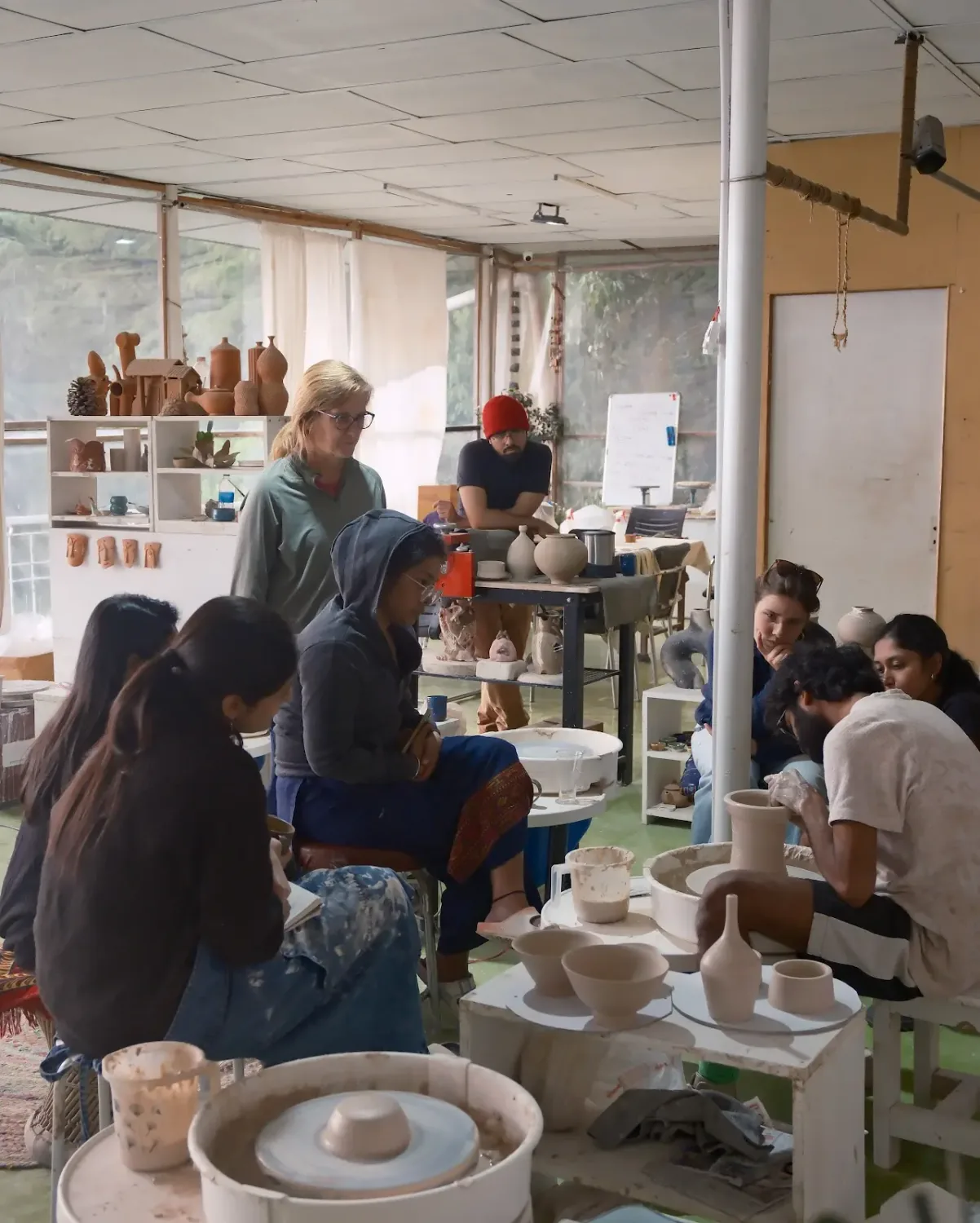
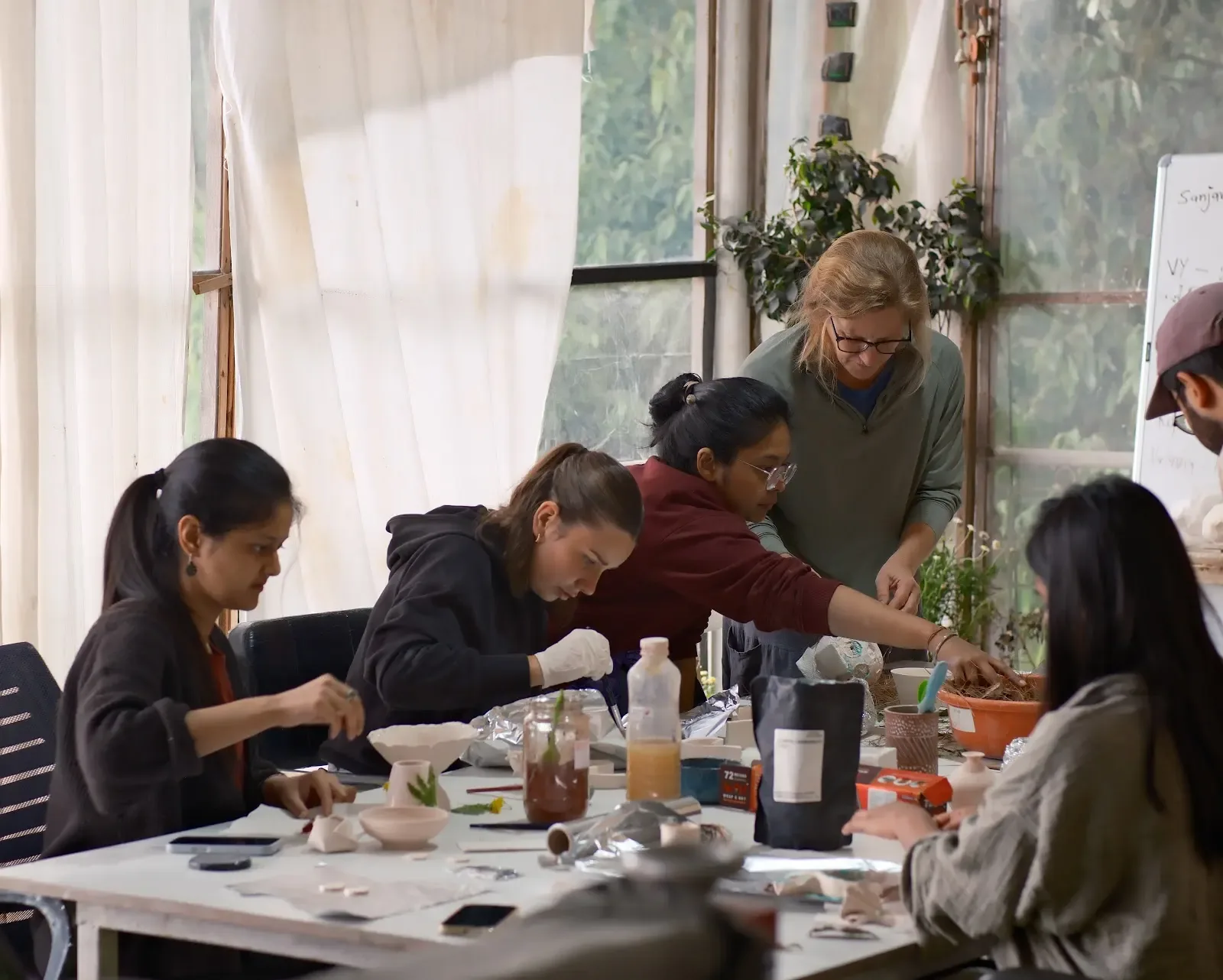
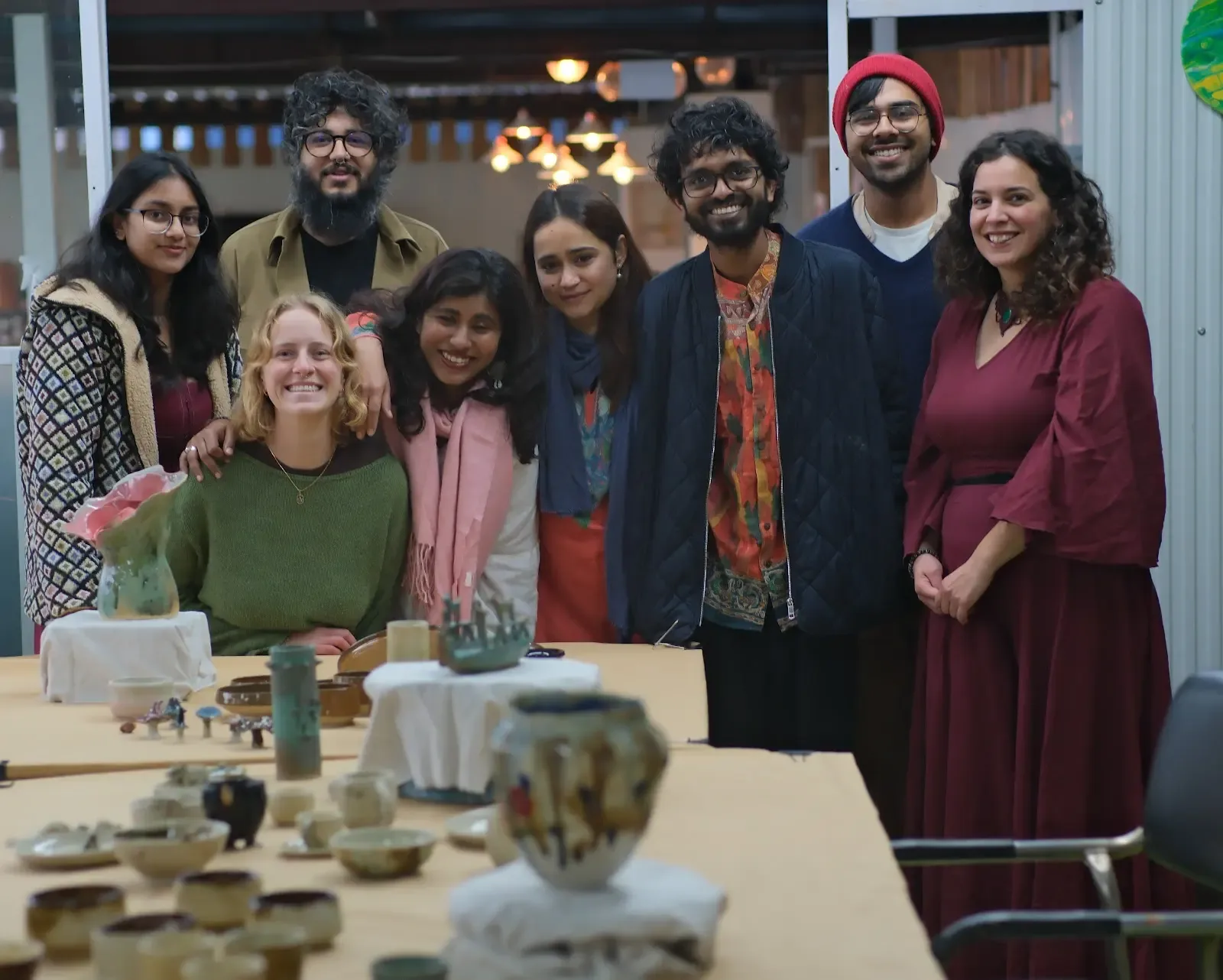
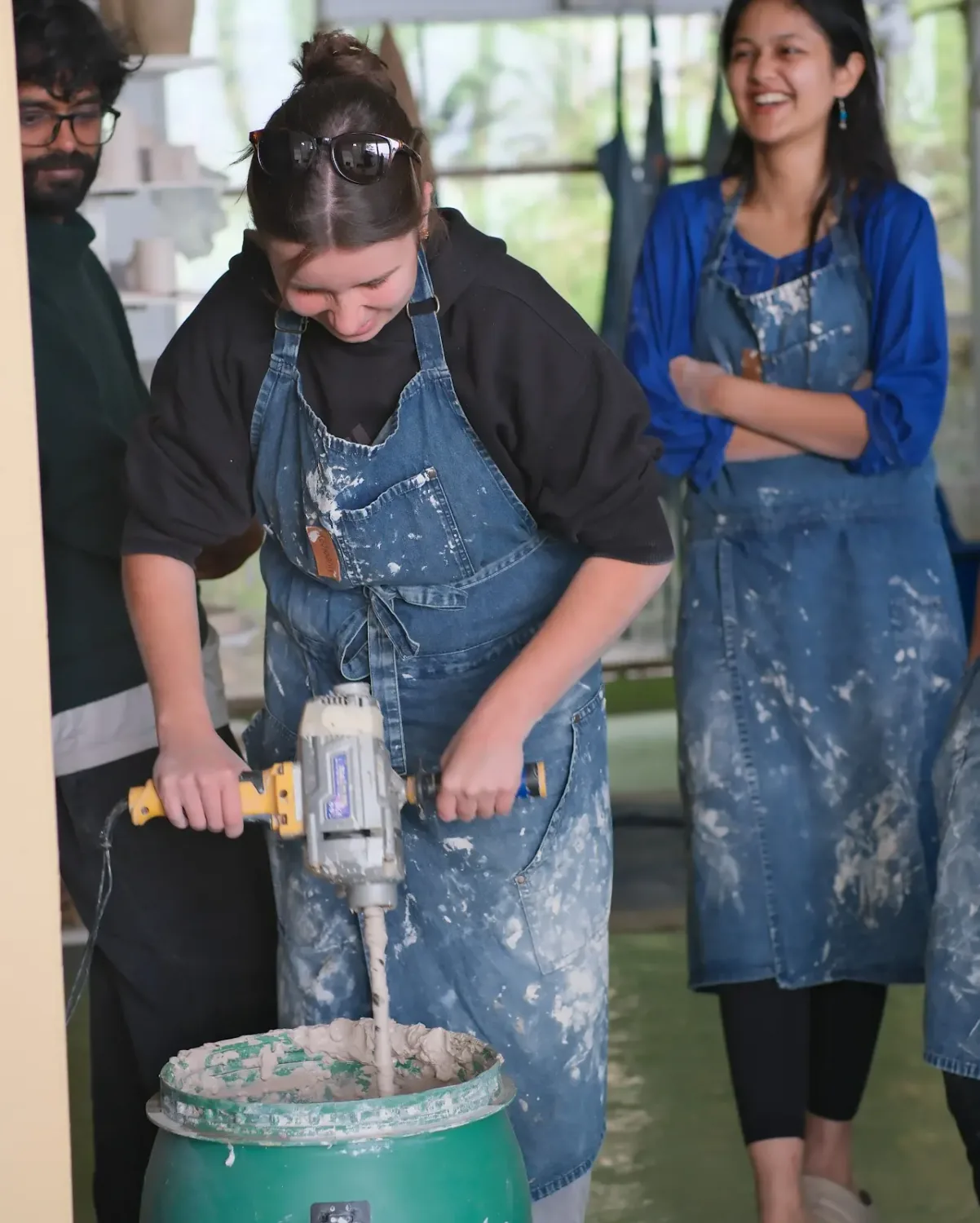
FAQs
Are there other stay options near the studio, if I want to live outside the premises?
Are there other stay options near the studio, if I want to live outside the premises?
There are many guest houses/home stays around the studio (10–15 minutes walk). We can provide a list of possibilities with contact numbers on request during the admission process.
Do I need to bring anything with me for the course?
Do I need to bring anything with me for the course?
No, you will be provided with everything you need including materials, tools, and aprons.
Can I start my own studio after this course?
Can I start my own studio after this course?
Yes. You will have the potential to establish a basic studio, but it requires high dedication, investment ability, and natural inspiration. Many students from the beginner’s course are successfully running studios.
What is the difference between pottery and ceramics?
What is the difference between pottery and ceramics?
Ceramics is a modern umbrella term that includes different clay families like terracotta, stoneware, and porcelain. Pottery is one part of ceramics. Ceramics also includes things like tiles, bricks, and sanitaryware.
Can I choose a shared room?
Can I choose a shared room?
No, we don’t offer shared rooms.
Can non-residential participants eat at the studio?
Can non-residential participants eat at the studio?
Yes, one can have breakfast, lunch, and dinner at the studio at a fair price.
Is there somewhere I can read the student testimonials?
Is there somewhere I can read the student testimonials?
Yes — read the student testimonials here: What Did Our 5 Weeks Beginners Course Students Say About Their Experience →
Are there any advanced pottery workshops for experienced potters?
Are there any advanced pottery workshops for experienced potters?
Yes. Please check the advanced workshops link: https://www.dharamkotstudio.com/advanced-workshops/.