
Published 25 Sep 2023
The Art of Clay: Exploring the Pottery Traditions of Dharamshala
Nestled in the picturesque hills of the Indian state of Himachal Pradesh, Dharamshala is not only renowned for its natural beauty but also for its rich artistic heritage. Among the various art forms that flourish in this region, pottery holds a special place.
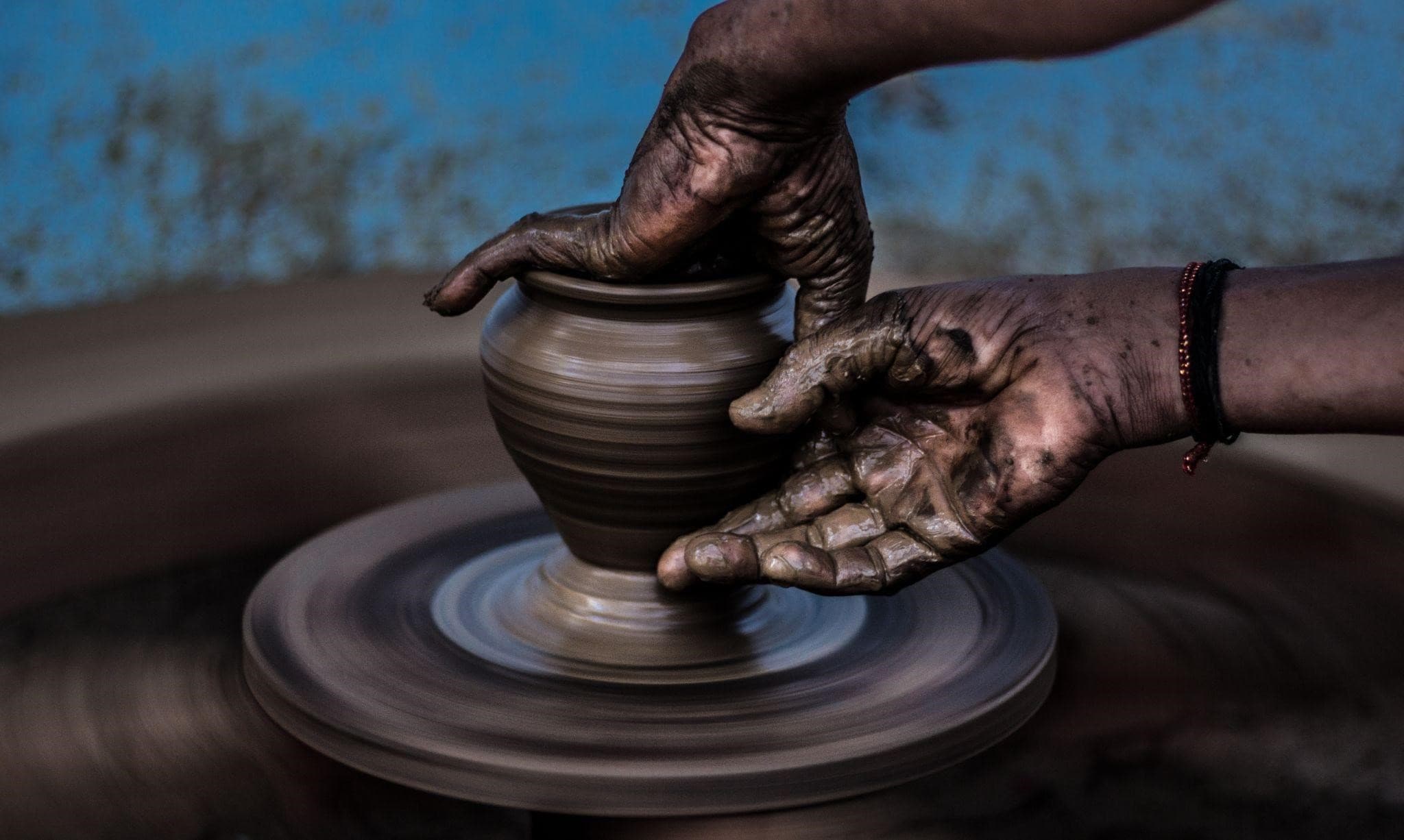
Dharamshala’s Clay Resources
The foundation of any pottery tradition lies in the availability of suitable clay. Dharamshala is blessed with abundant clay deposits, which form the basis for the pottery practised in the region.
The local clay, known for its fine quality and plasticity, allows artists to mould their creations with precision and finesse. These clay resources have played a vital role in shaping the pottery traditions of Dharamshala.
Traditional Styles
Dharamshala boasts a diverse range of traditional pottery styles, each with its unique characteristics and significance. One such style is the Kangra pottery, known for its intricate designs and vibrant colours.
Another traditional style is the Chamba pottery, which showcases a more rustic and earthy aesthetic. Chamba pottery is often adorned with geometric patterns and is celebrated for its simplicity and functionality.
Cultural Influences
The pottery traditions of Dharamshala have been shaped by the rich cultural heritage of the region. Influences from Tibetan, Pahari, and Punjabi cultures have merged to create a distinctive pottery scene.
Tibetan influences, in particular, are prominent due to the presence of the Dalai Lama and the Tibetan community in Dharamshala.
Preserving the Traditions
Despite the passage of time, the pottery traditions of Dharamshala have managed to retain their essence, thanks to the efforts of dedicated artists and studios.
Dharamshala is home to numerous talented pottery artists who have gained recognition for their exceptional craftsmanship. The artists have mastered traditional techniques and infused their own artistic expressions.
Conclusion
The pottery traditions of Dharamshala are a testament to the rich cultural heritage and artistic legacy of the region.
The availability of high-quality clay, the diversity of traditional styles, and the cultural influences have shaped a pottery scene that is both fascinating and unique.